What Is an Electric Fireplace Stove? What to Know
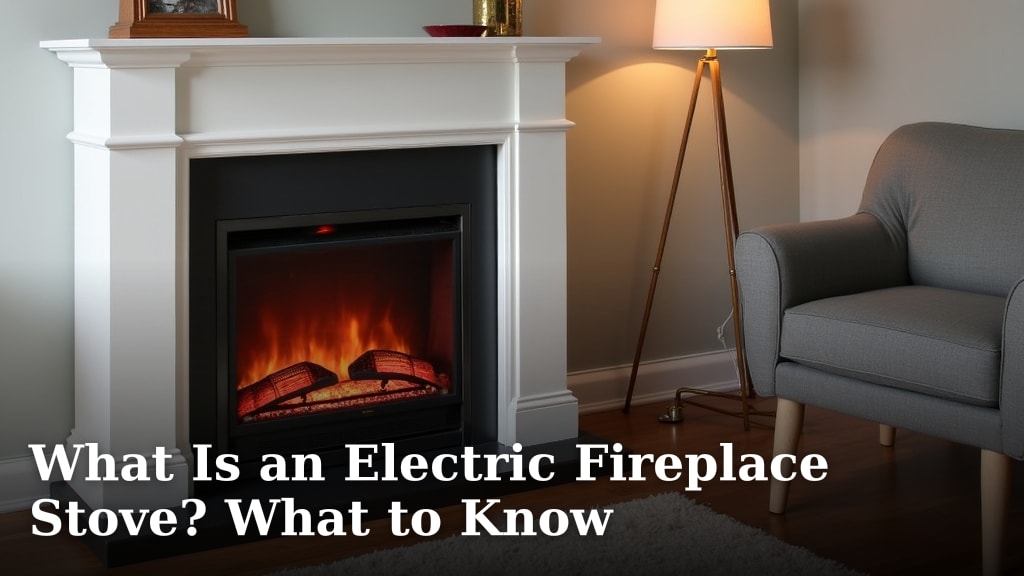
An electric fireplace stove is a freestanding electric heater designed to look like a traditional wood-burning stove. It provides ambiance and supplemental heat without the need for a real chimney or vent. These units plug into a standard outlet and use a heating element, often combined with a fan, to warm a room.
You might be considering one for its charming look and easy installation. Unlike gas or wood stoves, electric models offer convenience and safety. They don’t require complex venting systems. Many people choose them for a cozy feel in apartments or rooms where a traditional fireplace isn’t feasible. They are a popular choice for adding a focal point.
- Electric fireplace stoves are heaters that mimic traditional stoves.
- They offer flame effects and supplemental warmth.
- Installation is simple: just plug them into an outlet.
- No chimney or venting is needed for operation.
- They are a safe and convenient heating solution.
If you’re curious about whether an electric fireplace stove is the right fit for your home, you’ve come to the right place. We’ll walk you through what they are and what you should know before you buy.
Understanding the Electric Fireplace Stove
An electric fireplace stove is essentially a decorative electric heater that mimics the look of a vintage wood-burning stove. It’s designed to provide a cozy ambiance and some supplemental warmth for a room. You can think of it as a stylish electric heater that brings a charming aesthetic to your living space.
How Electric Fireplace Stoves Work
These units are quite straightforward in their operation. They plug into a standard wall outlet, just like any other appliance. Inside, a heating element warms up, and often a fan helps to circulate that warm air into the room. The visual flame effect is usually created by LED lights and a spinning mechanism that makes the “flames” dance. If you’re curious about what makes an electric fireplace work, understanding the components of an electric insert can be helpful.
The Flame Effect
The realistic flame effect is a big draw for many people. It uses lights and sometimes mirrors or reflective surfaces to create the illusion of flickering flames. Many models allow you to adjust the brightness and color of the flames. This feature can often be used independently of the heater, so you can enjoy the ambiance even when you don’t need extra warmth.
Heating Capabilities
The heating function typically uses a fan-forced heater. This means it’s good for providing quick, supplemental heat to a specific area. They aren’t usually designed to be the primary heat source for your entire home. Their strength lies in warming up a smaller space, like a living room or bedroom, adding a bit of cozy comfort.
Key Features and Benefits to Consider
When you’re looking at electric fireplace stoves, there are several features that make them stand out. Their ease of use and safety are primary advantages.
Ease of Installation and Use
This is perhaps the biggest selling point for electric fireplace stoves. You don’t need any special installation. Just find a suitable spot, plug it into a standard 120-volt outlet, and you’re good to go. There’s no need for a chimney, gas line, or complex venting. This makes them perfect for apartments, condos, or any room where a traditional fireplace isn’t an option.
Safety Aspects
Safety is a major concern for any heating appliance. Electric fireplace stoves are generally considered very safe. They don’t produce actual flames or combustion gases, so there’s no risk of carbon monoxide poisoning. The exterior surfaces usually stay relatively cool to the touch, reducing the risk of burns, especially important if you have children or pets. Many models also have an automatic shut-off feature if they overheat.
Energy Efficiency and Cost
When it comes to heating costs, electric heaters can be a bit of a mixed bag. The heating element itself uses electricity, and the cost depends on your local electricity rates. However, many models are designed to be fairly efficient for supplemental heating. They often have features like thermostats and timers to help you manage energy use. Remember, they are best for adding warmth to a room, not for heating an entire house.
Understanding Wattage and BTU
You’ll often see wattage and BTU (British Thermal Units) mentioned. Wattage tells you how much electricity the unit uses. A higher wattage usually means more heat output. BTU is a measure of heat energy. For supplemental heating in a room of about 400 square feet, look for units around 4,000-5,000 BTU. A typical electric fireplace stove might range from 1,000 to 1,500 watts.
Aesthetic Appeal and Design Variety
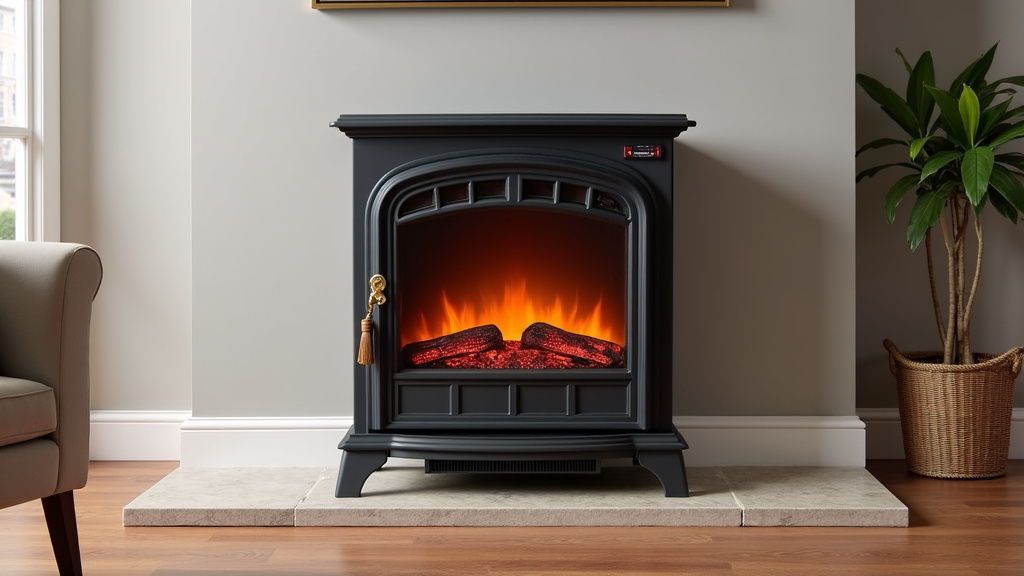
Beyond the practical benefits, electric fireplace stoves are chosen for their charm. They come in a wide range of styles, finishes, and colors to match your decor. You can find models that look like classic cast-iron stoves, or more modern interpretations. The detailed craftsmanship, like decorative legs and door details, adds to their appeal.
What to Know Before You Buy
Before you bring one home, it’s wise to consider a few key things. This will help you choose the best unit for your needs and avoid any surprises.
Room Size and Heating Needs
First, think about the room you want to heat. Electric fireplace stoves are excellent for supplemental warmth in spaces up to about 400 square feet. If you have a very large open-concept area or a poorly insulated room, it might struggle to make a significant difference. For smaller rooms or to take the chill off, they work wonderfully.
Features to Look For
Consider what features are most important to you. Do you want adjustable flame colors? A remote control for convenience? A thermostat to maintain a set temperature? Some models offer realistic-looking logs and ember beds. Others might include features like a timer for automatic shut-off.
Thermostat Functionality
A built-in thermostat is a great feature. It allows you to set a desired room temperature. The heater will then cycle on and off to maintain that temperature, preventing the room from getting too hot and saving energy. This is much more efficient than a unit that just runs continuously.
Remote Control and Timers
A remote control adds a layer of convenience, letting you adjust settings without getting up. Timer functions are also useful for setting the unit to turn off after a certain period, like when you go to sleep. These small conveniences can make a big difference in your daily use.
Placement and Safety Clearances
While they are safe, it’s still important to follow placement guidelines. Keep them away from curtains, furniture, and other flammable materials. Most manufacturers provide specific clearance recommendations. Ensure the area around the stove is well-ventilated. Never block the air vents.
Understanding the Supplemental Nature of Heat
It’s essential to manage your expectations regarding the heat output. These units are designed to provide cozy comfort and a bit of extra warmth. They are not a substitute for your home’s main heating system, especially in colder climates. Think of them as adding a warm glow and a gentle heat boost to your favorite seating area.
Comparing Electric Stoves to Other Electric Fireplaces
Electric fireplace stoves offer a distinct style. Other electric fireplaces might be inserts for existing mantels, wall-mounted units, or corner units. The stove design brings a freestanding, traditional appliance look. If you like the vintage stove aesthetic, the electric stove is the way to go. If you prefer a sleeker, built-in look, other electric fireplace types might be better.
Here’s a quick checklist to help you decide:
- Do you want supplemental heat or primary heat?
- What is the size of the room you wish to heat?
- What aesthetic style are you looking for?
- Are safety features like cool-touch surfaces important?
- Do you need features like a thermostat or remote control?
- What is your budget for this appliance?
Conclusion
You’ve learned that an electric fireplace stove offers a charming way to add ambiance and supplemental heat to your home. These units are incredibly easy to install and operate, requiring just a standard outlet and no messy venting. They provide a safe, cozy glow perfect for apartments or rooms where a traditional fireplace isn’t possible. When choosing, consider your room size and desired features like thermostats or remote controls. Before you buy, ensure you understand their role as a comforting addition rather than a primary heat source. Take the next step by measuring your space and browsing models that match your style and heating needs.
Frequently Asked Questions
Are electric fireplace stoves safe for pets and children?
Yes, electric fireplace stoves are generally very safe. Their exteriors typically stay cool to the touch, reducing the risk of burns. Unlike real fireplaces, they don’t produce combustion gases, eliminating concerns about carbon monoxide.
Can an electric fireplace stove heat an entire room or house?
Electric fireplace stoves are designed for supplemental heating. They are best at warming smaller spaces, typically up to 400 square feet. For larger areas or as a primary heat source in very cold climates, they may not be sufficient.
How much electricity do electric fireplace stoves use?
Electricity usage depends on the wattage of the unit and how long it runs. Many models have energy-saving features like thermostats and timers to help manage consumption. They are generally more energy-efficient for targeted room heating than trying to heat a whole house.
Do I need to worry about ventilation for an electric fireplace stove?
No, ventilation is not required for an electric fireplace stove. They plug into a standard outlet and do not produce smoke or combustion byproducts. This makes them ideal for spaces without chimneys or venting systems.
Can I use the flame effect without the heat on my electric fireplace stove?
Yes, most electric fireplace stoves allow you to operate the flame effect independently of the heater. This means you can enjoy the cozy visual ambiance year-round, even on warmer days when you don’t need extra heat.