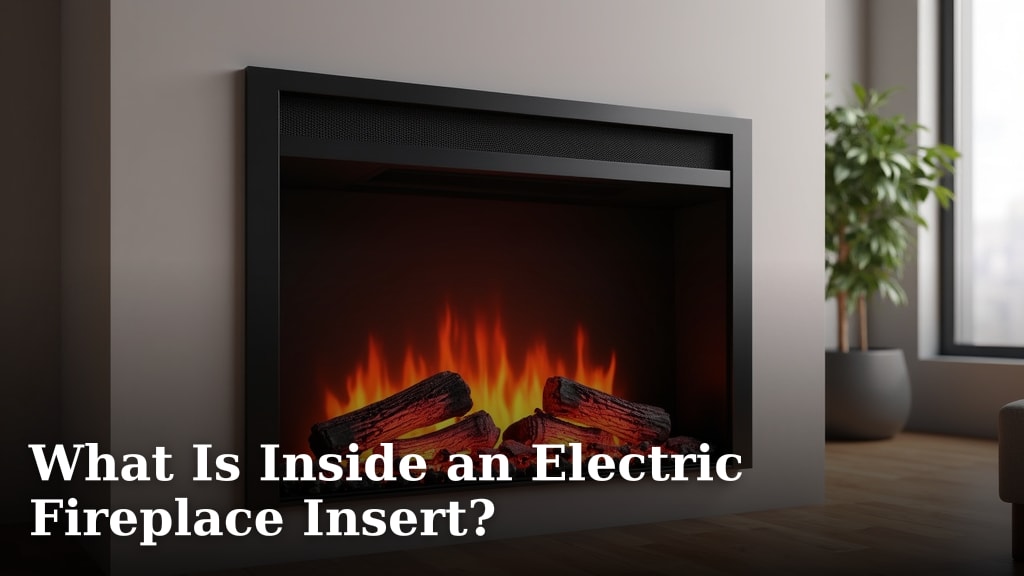
What Is Inside an Electric Fireplace Insert?
An electric fireplace insert is a self-contained unit designed to be installed into an existing fireplace opening or a dedicated mantel. It typically contains a heating element, like a coil or quartz tube, a fan to distribute warmth, and LED lights that create the visual flame effect using rotating mirrors or projections.
Unlike a traditional wood-burning insert, it requires no venting or chimney for operation. We found that most models simply plug into a standard wall outlet, making them a popular and safe alternative for adding ambiance and supplemental heat to a room.
- It’s an all-in-one box that fits inside a fireplace or cabinet.
- Key parts include a fan, heating element, and LED flame effects.
- No chimney is needed; it vents heat directly into your room.
- Installation is often as simple as sliding it in and plugging it in.
- It provides the look of a fire with the push of a button.
Below, we break down each component of an electric insert so you know exactly what you’re getting and how it works to heat and light your space.
Understanding the Core Components of an Electric Insert
Imagine a simple, self-contained box. You slide it into your fireplace opening, plug it into a regular wall outlet, and press a button. Inside this box are three main systems working together: one for making heat, one for moving that heat around, and one for creating the beautiful flame show. Think of it like a hybrid between a space heater and a very convincing piece of home theater for your fireplace.
There are no real flames, no burning logs, and no smoky smells. Instead, it’s a clever combination of a heating element, a fan, and a light-based illusion. This design makes it one of the easiest ways to add warmth and ambiance without the work of wood or the installation of gas lines.
The Heating Element: The Heart of the Warmth
The part that actually gets hot is called the heating element. This is where electricity is turned into warmth. In most models, you’ll find one of two common types. The first is a simple resistance coil, very much like the glowing wire in a toaster. When you turn the heat on, electric current passes through this metal coil, making it glow red-hot and radiate heat into the room.
The second common type is a quartz tube. This is a tube filled with a special gas that glows and produces infrared heat when electrified. Many people find this heat feels more direct and immediate, like the warmth from the sun. The choice between coil and quartz often comes down to personal preference and budget.
Coil vs. Quartz: Which Element Is Right?
Both types are effective, but they have slight differences. A standard coil element is often more affordable and very durable. It heats the air in the room, which the fan then blows out. A quartz element tends to be a bit more energy-efficient at producing instant, focused heat. It can also be less likely to dry out your room’s air compared to some coil models.
We found that the U.S. Consumer Product Safety Commission notes that all electric heating appliances should have proper safety labels and certifications. No matter which element type you choose, always look for a label from a recognized testing laboratory like UL or ETL.
| Feature | Standard Coil Element | Quartz Tube Element |
|---|---|---|
| How it Works | Electricity heats a resistance wire. | Electricity heats gas inside a tube, producing infrared radiation. |
| Feel of Heat | Warms the room’s air more gradually. | Provides more direct, radiant heat you can feel immediately. |
| Energy Use | Standard efficiency. | Often slightly more efficient at heating directly. |
| Common Price Point | Typically more budget-friendly. | Often found in mid-range to premium models. |
The Fan and Airflow System
An electric insert doesn’t just get hot; it needs to move that warm air into your room. That’s the job of the internal fan. This fan, sometimes called a blower, is a small but powerful motor with blades. It’s usually located at the bottom or back of the unit. When you select a heat setting, the fan turns on and pulls room air in, passes it over the hot heating element, and then pushes the now-warmed air out through a vent.
This is a key point: an electric insert blows heated room air back out. It doesn’t burn fuel or use air from inside your home, which is why it doesn’t require a chimney or external vent. It’s a closed-loop system for the air it moves, making it very simple to install.
Where Does the Warm Air Come Out?
The warm air is typically released from a vent located on the front or top of the insert. This placement allows the heat to flow directly into your living space. Some models have oscillating fans to distribute heat more evenly across a wider area. Without this fan, the element would just get hot and not effectively warm the room.
The Flame Effect: LEDs, Mirrors, and Magic
This is the fun part. The realistic-looking flames are a clever optical illusion created by light and motion. The main components are LED lights, a series of mirrors or patterns, and a small motor. The LEDs provide the vibrant flame colors, from deep orange to yellow and even blue. These lights shine onto a spinning cylinder of mirrored or patterned material.
As this cylinder rotates, the moving reflections create the dynamic, flickering effect of dancing flames. The light is then projected onto a back panel that often looks like a set of faux logs or crystals. The whole assembly is hidden from direct view. From the front, all you see is the convincing dance of a fire.
Can You Change the Flame Appearance?
Yes, often you can. Many modern inserts offer adjustable flame settings. You might be able to change the flame color to match your mood or décor. You can often control the flame speed and brightness. Some high-end models even let you turn on the flame effect without the heat, so you can enjoy the ambiance in warmer months. According to the Department of Energy, this use of LED technology makes the flame effect very energy-efficient, often using less power than a single incandescent light bulb.
Controls and Safety Features
Tying it all together is the control system. This can be a simple button panel on the unit, a remote control, or even a smartphone app for smart models. This is how you turn the insert on and off, adjust the heat level, and change the flame settings. The controls regulate power to the heating element, fan, and LED assembly.
Safety is built into the design of any quality insert. Most units have an automatic shut-off feature that activates if the unit overheats. This is a crucial protection. They often have a tip-over switch that turns the unit off if it gets knocked over. The exterior housing is designed to stay cooler than the internal element, but it’s always wise to keep flammable items like curtains or furniture a safe distance away. The Mayo Clinic recommends keeping space heaters at least 3 feet from anything that can burn, a rule that applies here too.
Installation and What’s in the Box
When you unbox your insert, you’ll typically find the main unit, a mounting bracket or screws for securing it in place, a remote control, and basic instructions. Installation is designed to be straightforward. For a zero-clearance fireplace or a purpose-built mantel, you often just slide the insert into the cavity and secure it with the provided hardware.
Some models are designed to be fully built into custom cabinetry. In all cases, the final step is simply plugging the power cord into a standard 120-volt household outlet. No special wiring, gas lines, or venting modifications are needed. It’s this plug-and-play nature that makes it a favorite DIY project.
The Exterior: Logs, Crystals, and Media
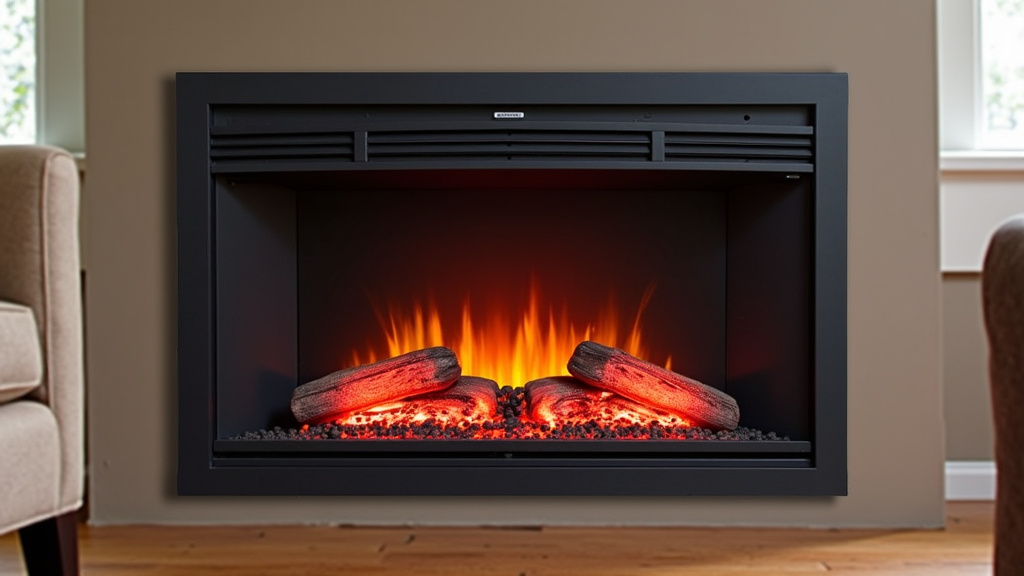
While the flame effect is the star, the media it plays over is the stage. Inside the viewing area, you won’t find real wood. Instead, you’ll see a set of artificial logs, glowing embers, or decorative media. The logs are typically made from ceramic fiber or refractory cement, painted and molded to look authentic.
Many modern inserts also include options for crushed glass, acrylic crystals, or river rocks. These reflective materials catch the LED light in unique ways, creating a more contemporary or sparkling aesthetic. This media is purely for looks and does not produce heat.
Key Differences from a Log Set
It’s easy to confuse an insert with a simple “electric log set,” but they are different. A log set is just the flame effect and fake logs. You place it inside your existing firebox, but it has no built-in heating element or fan. An insert, however, is a complete, self-contained heating appliance that *includes* the flame effect. It’s a heater that looks like a fire, not just a fire effect.
Your Pre-Purchase Checklist
Ready to look at models? Keep this simple checklist in mind to make sure you’re getting what you need.
- Measure your space. Get the exact width, height, and depth of your fireplace opening or the mantel cavity where it will live.
- Decide on heat priority. Do you need it as a primary heat source or just for ambiance? This determines the required BTU output.
- Consider the look. Do you prefer traditional logs or modern crystals? What flame color options matter to you?
- Check the power source. Ensure you have a suitable outlet nearby. Most require a dedicated 15-amp circuit.
- Look for safety certifications. Always choose a model with a UL or ETL certification label for peace of mind.
A Quick Summary of What’s Inside
So, when you peer into an electric fireplace insert, you’re seeing a coordinated team of parts. You have the heating element that makes the warmth, the fan that pushes it out, and the LED lights and mirrors that create the stunning flame dance. All of this is wrapped in a safe, vent-free box controlled by simple buttons or a remote. It’s a complete package designed for one purpose: to bring the cozy, comforting look and feel of a fire into your home with as little fuss as possible.
Conclusion
You now know exactly what’s inside an electric fireplace insert. It’s a smart, self-contained box combining a heating element, a circulation fan, and an LED-powered flame illusion. This design means you get supplemental warmth and ambiance without any of the work, venting, or safety concerns of a traditional fire. The entire unit is a straightforward, plug-in appliance.
With this knowledge, you can shop with confidence. Your next step is simple: measure your fireplace opening, decide if you need more heat or more style, and use our checklist to find the perfect match. You’re ready to add that cozy glow to your home.
Frequently Asked Questions
How much electricity does an electric fireplace insert use?
Usage depends on the heat setting. The flame effect alone uses very little power, often less than a light bulb. When the heater is running on its highest setting, it can use about as much electricity as a standard space heater, typically between 1,500 and 1,500 watts.
Does it need a special outlet or dedicated circuit?
Most models plug into a regular 120-volt household outlet. However, because they draw significant power when heating, it’s best to use a dedicated 15-amp circuit. Plugging it into an outlet that shares many other high-draw appliances could trip your breaker.
Can you use the flame effect without the heat?
Yes, on most models you can. This is a common feature. It allows you to enjoy the cozy ambiance of the flickering flames during warmer months without adding any heat to the room, making it a year-round decoration.
How long do the LED flame lights typically last?
LED lights are very long-lasting. Manufacturers often rate them for 50,000 hours of use or more. That means if you run the flame effect for 5 hours every day, it could last for over 27 years before the LEDs need attention.
Can I install it in any existing fireplace?
You must measure your fireplace opening carefully. While inserts are designed to fit standard openings, they come in specific sizes. Ensure the insert’s dimensions match your space and that you have the required depth for proper installation.