What Is a Linear Electric Fireplace? Quick Fixes
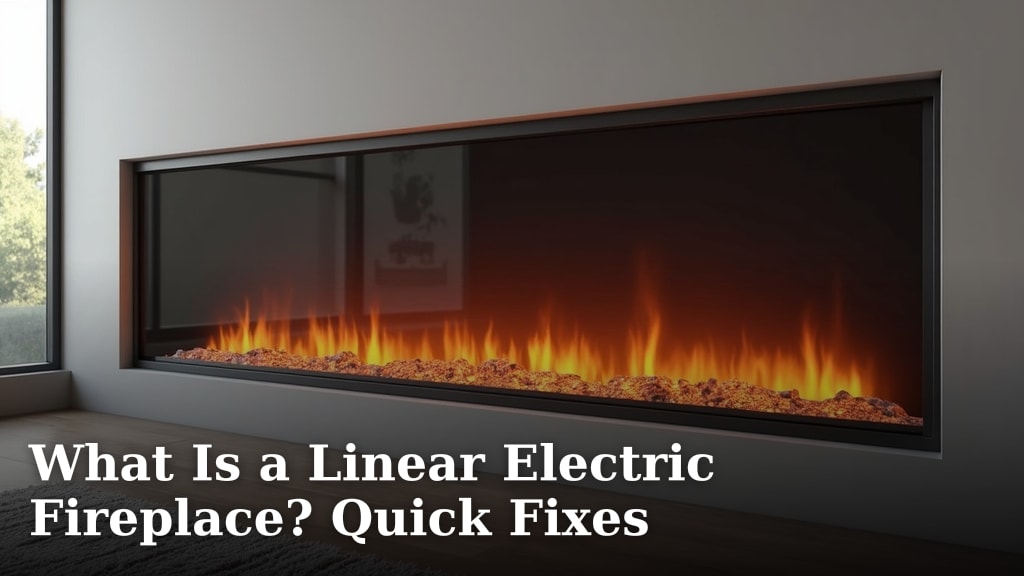
A linear electric fireplace is a modern, long, and slim type of electric fireplace designed for a sleek, built-in look. They offer a flame effect without real fire and are easy to install, making them a popular choice for homeowners seeking contemporary heating solutions. You get the ambiance and warmth without the hassle.
Unlike traditional fireplaces, linear models are all electric. They plug into a standard outlet or can be hardwired. This makes them a flexible heating option for various rooms. Many models also feature customizable flame colors and brightness for the perfect mood.
- Linear electric fireplaces are modern, slim units.
- They provide electric heat and a flame effect.
- Installation is typically straightforward.
- They are a popular choice for a contemporary look.
- You can often customize the flame colors.
Let’s walk through exactly what a linear electric fireplace is and how you can quickly address common issues with them.
Understanding Your Linear Electric Fireplace: A Modern Heating Solution
A linear electric fireplace offers a sleek, contemporary aesthetic combined with convenient heating. Think of it as a modern, wall-mounted ribbon of warmth and ambiance. Unlike traditional fireplaces that burn wood or gas, these units use electricity to create both a visual flame effect and heat. This makes them incredibly versatile for installation in many different spaces. You don’t need a chimney or special ventilation, which simplifies things a lot.
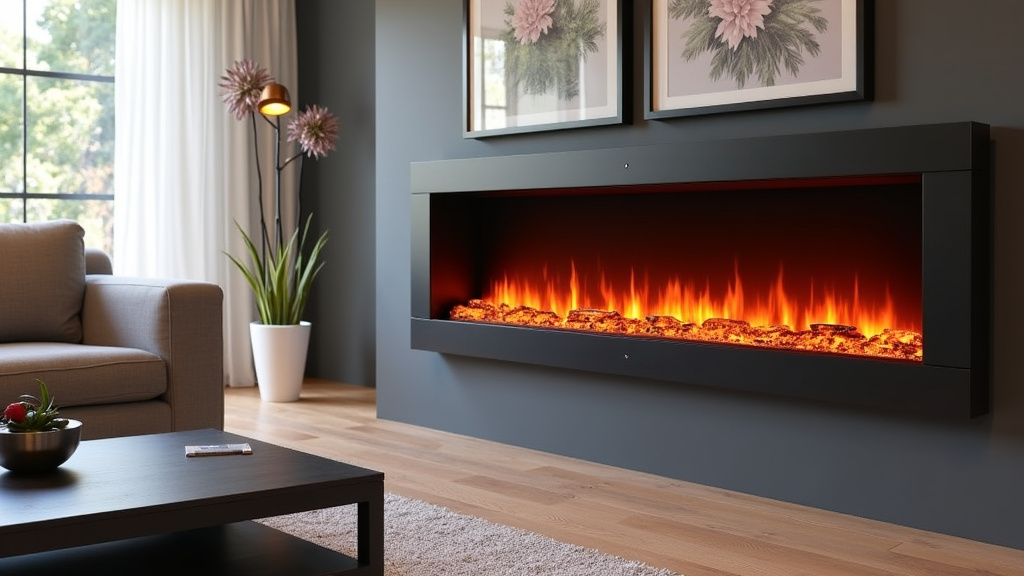
They come in various sizes, but their defining feature is their long, narrow shape. This design lends itself well to modern interiors, often mounted below a TV or as a striking accent on a bare wall. The flame effect is typically generated by LEDs, creating dancing flames that can often be customized in color and intensity. The heat output is usually adjustable, providing supplemental warmth to a room.
Common Linear Electric Fireplace Issues and How to Address Them
Even the most modern appliances can sometimes have a hiccup. Fortunately, most issues with linear electric fireplaces are relatively easy to fix. You don’t always need a professional. Many problems stem from simple settings or connection issues. We’ll walk you through some of the most common concerns and what you can do about them.
No Heat Output
This is a common one. If your fireplace looks great but isn’t warming up your space, don’t panic. Several factors could be at play.
Check the Thermostat Settings
It sounds simple, but the thermostat is often the culprit. Make sure it’s set to a temperature higher than the current room temperature. If it’s set too low, the heater simply won’t engage. Many units have an auto-shutoff feature tied to the thermostat, so double-check your desired warmth level.
Verify Heater is Activated
Some models require you to turn on the heat function separately from the flame effect. You might have the beautiful flames dancing, but the heater is still off. Consult your user manual to ensure you’re pressing the correct button or sequence on the remote or control panel. It’s a small step, but it makes a big difference.
Confirm Power to the Heater
While the flame effect might be getting power, the heater element itself might have an issue. If you’ve checked all settings and the thermostat, and you still get no heat, there might be an internal problem. For safety reasons, if you suspect a power issue to the heating element, it’s best to unplug the unit and contact the manufacturer or a qualified technician. Trying to force it could be unsafe.
Flame Effect Not Working or Appearing Incorrect
The visual appeal is a huge part of a linear electric fireplace’s charm. If the flames aren’t quite right, here’s what you can check.
Ensure Adequate Power Supply
The flame effect, though not producing heat, still requires electricity. A loose plug or a tripped breaker could prevent the visual display from working. Make sure the fireplace is securely plugged in. If it’s hardwired, check your home’s breaker box to see if the circuit has been interrupted. Sometimes, a simple reset of the breaker can solve the problem.
Check Remote Control or Panel Settings
Modern fireplaces often come with remote controls or sophisticated panels. Batteries can die in remotes, leading to unresponsive controls. Try replacing the batteries. Also, ensure you’re not accidentally cycling through modes that turn the flame off or dim it completely. A quick look at your manual will help you navigate the controls.
Inspect for Obstructions
The flame effect is often created by lights reflecting off a material, like a mirror or ceramic logs. If anything is blocking the view of the light source, it can impact the flame’s appearance. Gently check the viewing area for any dust, debris, or misplaced decorative elements that might be interfering. Be careful not to touch any delicate parts.
Unusual Noises from the Unit
A quiet hum is normal for most electric appliances. However, if you start hearing clicking, grinding, or loud buzzing, it’s worth investigating.
Fan and Blower Sounds
The heater often uses a fan to distribute warm air. If you hear a whirring or rattling, it could be a fan issue. Sometimes, a small piece of debris might have gotten into the fan assembly. If the noise is persistent and loud, it might indicate a fan motor problem. Unplug the unit and check if the fan blades can spin freely. If not, or if the noise continues, contact support.
Electrical Buzzing
A low, electrical hum is standard. However, a loud, persistent buzzing could signal an electrical component issue. This is a sign to stop using the fireplace immediately and unplug it. Such noises can indicate a problem that requires professional attention. Your safety is always the top priority when dealing with electrical appliances.
Dim or Flickering Lights
If your flame effect looks weak or inconsistent, it might be a lighting issue.
Check Light Bulb (if applicable)
Some older or simpler models might use actual bulbs for their flame effect. If yours does, a dim or flickering bulb is the most likely cause. Consult your manual to see if the bulbs are user-replaceable. If they are, ensure you use the exact type specified by the manufacturer. If not, you’ll need to contact customer service.
Power Fluctuations
Intermittent power can cause lights to flicker. This could be due to issues with your home’s electrical wiring or even the power grid in your area. If you notice flickering lights on other appliances when the fireplace is on, it might point to a broader electrical problem. In such cases, it’s wise to have a qualified electrician inspect your home’s electrical system.
Remote Control Malfunctions
Lost your remote? Or is it just not working? Don’t worry, it happens.
Battery Check and Replacement
The most common reason for remote failure is dead batteries. Always start by replacing them with fresh ones. Make sure you insert them correctly according to the polarity markings inside the battery compartment. This simple step often brings your remote back to life.
Clear Obstructions and Line of Sight
The remote needs a clear path to the fireplace’s sensor. Make sure there’s nothing physically blocking the signal between the remote and the fireplace unit. Also, ensure you are within the recommended operating range. Sometimes, simply standing closer or moving to a different angle can make all the difference.
Pairing the Remote
If you’ve replaced the batteries and are still having trouble, the remote might have lost its pairing with the fireplace. Most manufacturers have a simple re-pairing process. This usually involves pressing a specific button combination on the remote while the fireplace is powered on. Your user manual will have the exact instructions for your model.
Maintenance Checklist for Optimal Performance
Keeping your linear electric fireplace in good working order is simple. A little regular attention can prevent many issues and ensure it runs efficiently for years to come.
- Weekly: Dust the exterior and viewing glass with a soft, dry cloth.
- Monthly: Check that the unit is securely mounted and all cords are tidy.
- Quarterly: Gently vacuum around the air intake and vent. Ensure vents are clear of obstructions.
- Annually: Inspect the power cord for any signs of wear or damage.
- As needed: Replace remote batteries when responsiveness decreases.
- When necessary: Consult your manual for specific cleaning instructions for internal components or decorative media.
By understanding these common issues and knowing how to perform basic checks, you can often resolve problems with your linear electric fireplace quickly. Remember, your user manual is your best friend for specific model information. If you’re ever unsure or dealing with a persistent problem, don’t hesitate to reach out to the manufacturer’s customer support for assistance.
Conclusion
You’ve learned that a linear electric fireplace is a stylish, modern way to add ambiance and warmth to your home. We covered how these units are designed for easy installation and customization. You now know the common issues, like no heat or flame problems, and how to tackle them yourself with simple checks. Most issues stem from settings, power, or minor obstructions. By understanding these quick fixes and following the maintenance checklist, you can keep your fireplace looking and working its best. For any persistent issues, always refer to your manual or contact support. Your next step is to feel confident in maintaining your beautiful linear electric fireplace.
Frequently Asked Questions
Can I install a linear electric fireplace myself?
Yes, many linear electric fireplaces are designed for DIY installation. They typically plug into a standard outlet or can be hardwired. Always consult your user manual for specific instructions and safety guidelines before starting any installation.
Are linear electric fireplaces energy efficient?
Linear electric fireplaces are generally efficient for supplemental heating. They only heat the room you’re in, unlike central heating systems. Look for models with adjustable thermostats and timers to maximize energy savings.
How often should I clean my linear electric fireplace?
Regular dusting of the exterior and viewing glass weekly is recommended. Monthly checks of mounting and cords are helpful. Quarterly vacuuming around vents and annual inspection of the power cord will help maintain performance.
What if my linear electric fireplace’s remote control stops working?
First, try replacing the batteries in the remote control with fresh ones. Ensure there’s a clear line of sight between the remote and the fireplace sensor. If problems persist, you may need to re-pair the remote with the fireplace unit, following your manual’s instructions.
Is it safe to use a linear electric fireplace when I’m not home?
Many models feature auto-shutoff timers and thermostats, making them safe for unattended use. Always ensure the unit is placed away from flammable materials and that the cords are not damaged. Refer to your manual for specific safety features and recommendations.