Electric Fireplace vs Space Heater: Which Should You Choose? (October 2026)
Choose a space heater for portable, direct heat; choose an electric fireplace when flame effects and room style matter too. Both can provide supplemental heat, so compare placement, controls and the space you want to warm.
On this page (9 sections)
- Electric fireplace vs space heater: what is the main difference?
- Which type is easier to place in your room?
- Which gives you more control over comfort?
- How do their heat details compare?
- Which one is simpler to install?
- Which style suits your priorities?
- Which models fit each choice?
- What should you check before using either heater?
- So, should you choose a space heater or electric fireplace?
Choose a space heater for portable, direct heat; choose an electric fireplace when you also want a flame effect and a room feature. In an electric fireplace vs space heater comparison, the better fit depends on where you want warmth, how you want to control it and whether appearance matters.
Both are electric appliances that can provide supplemental heat. A portable tower is easy to move between rooms, while a freestanding stove or wall fireplace adds a more fireplace-like look.
We compared their placement, controls, installation needs and stated heat details. Neither type replaces a home's main heating system, and a coverage number alone cannot predict how warm your room will feel.
 Best for a freestanding fireplace look
duraflame Freestanding Electric Fireplace Stove Heater
Electric fireplace vs space heater: what is the main difference?
A space heater focuses on adding heat; an electric fireplace pairs supplemental heat with a flame effect. Pick based on the job you want it to do each day.
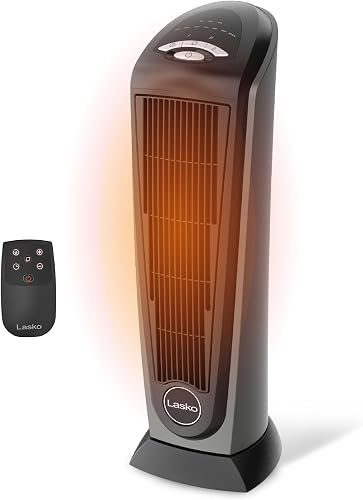
A tower heater like the Lasko is a freestanding appliance you can move with its carry handle. Its ceramic element, oscillation, two heat settings and timer are aimed at directing warmth around a room.
An electric fireplace adds a visual feature. The duraflame stove has a 3D flame effect, glowing logs, side viewing windows and a glass door.
Its flame and heat controls work independently, so you can have the glow without heat.
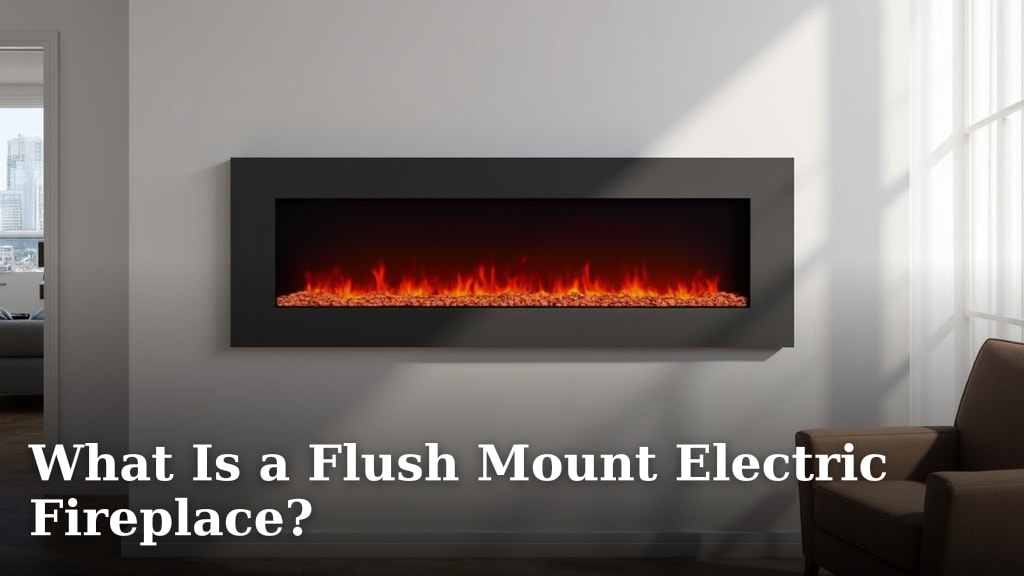
Wall fireplaces make a different tradeoff. The 60-inch R.W.FLAME model is designed for recessed or wall mounting, with adjustable flame color and speed.
It needs more planning than setting a portable heater on the floor.
Which type is easier to place in your room?
A portable space heater is usually easier to reposition; a wall fireplace needs a planned location. Measure the intended spot and follow the exact unit's manual for placement and clearances.
A portable tower can move from a bedroom to a home office or living area when needed. The Lasko weighs 2.5 lb and has a built-in carry handle.
The duraflame stove is also freestanding, though it weighs 28.6 lb.
A wall-mounted fireplace can keep the floor area around it open, but it is not a quick move-around option. For wider wall units, see 60-inch electric fireplaces.
The R.W.FLAME model measures 60 in wide and is designed for recessed or wall mounting.
Plan the wall location and installation before buying.
If you want a unit that stands on the floor and looks like a small stove, see what a freestanding electric fireplace is. For a wider view of the styles and tradeoffs, read our gas vs electric fireplace comparison.
Space heater vs electric fireplace in a small room
A compact portable heater may suit a small room where floor space is limited and you want to move heat as your routine changes. For a fireplace arranged in a corner, compare freestanding corner electric fireplaces.
A wall fireplace may keep the floor free, but it still needs a clear, suitable wall location and proper installation.
Don't choose by the appliance's shape alone. Allow the space its manual requires, keep walkways clear, and consider whether furniture or curtains could block airflow.
Which gives you more control over comfort?
Both types can offer adjustable heat, but an electric fireplace may also let you adjust the flame separately. Compare the controls you will use most, such as a thermostat, timer, remote or flame brightness.
The Lasko remote handles heat settings, oscillation and its 7-hour timer. It has two heat settings, so it gives you a small set of direct adjustments.
The DREO offers a wider temperature range, from 41°F to 95°F in 1°F increments, plus power, ECO and fan-only modes. Its remote and 12-hour timer let you change settings without reaching the unit.
With the duraflame stove, the flame can run independently of the heat. Its flame dial and adjustable thermostat let you change the visual effect and heat separately.
That can suit a living room where you want the fireplace look outside the heating season.
The R.W.FLAME has touch-screen and remote controls, two heat settings, and adjustments for flame color, speed and brightness. If remote access matters most, compare more options in our guide to the best electric fireplace heater with remote.
How do their heat details compare?
Compare the exact model's output and stated coverage, then treat coverage as a guide rather than a guarantee. Room layout, insulation, ceiling height and outdoor temperature affect how supplemental heat feels.
The Lasko and DREO are both rated at 1500W. The DREO states coverage up to 200 sq ft, while the Lasko's listed heating coverage is 150.
The duraflame stove gives a stated 5200 BTU output and coverage up to 1,000 sq ft. For more models from the brand, compare Duraflame electric fireplaces.
The R.W.FLAME has 750W and 1500W modes and states supplemental heating coverage up to 400 sq ft.
Those numbers don't make a direct promise about your room. They describe different products and may use different conditions, so avoid treating them as equal-room test results.
For a closer look at models selected around supplemental warmth, see our best electric fireplaces for heat. If you need a larger unit, our best large electric fireplace heater guide can help you compare that category.
Which one is simpler to install?
Freestanding heaters need a suitable floor location and outlet; a wall fireplace needs a planned mounting or recessed setup. Read the manual before buying so the appliance and your room are compatible.
A freestanding heater avoids wall mounting, but it still needs stable placement with the clearances its manual specifies. Don't tuck a heater into a tight space or run its cord where people can trip over it.
A recessed or wall-mounted fireplace adds a measuring and installation step. The R.W.FLAME model is 3.86 in deep and is designed to fit a 2 x 6 stud wall.
Confirm the wall, dimensions and installation approach before ordering.
If you want flame visuals without added heat, consider an electric fireplace insert without a heater. That option can make sense when ambiance is the goal and supplemental heat is not needed.
Which style suits your priorities?
Choose a portable heater if function and flexibility come first; choose a fireplace if the flame effect is part of the room plan. A decorative feature has value only if its footprint and setup suit your space.
A space heater is the practical pick for moving warmth between rooms. The Lasko combines oscillation with remote controls, while the DREO adds a broad thermostat range and several modes.
For a broader category overview, use our electric space heaters buying guide.
An electric fireplace suits a room where you want a visible flame feature. The duraflame stove is freestanding and has a traditional stove look.
The R.W.FLAME is a wide wall feature with multiple flame settings.
If you are weighing a heater for a room without a nearby outlet, read why a battery powered space heater may not heat a room. Check power needs and safety instructions before choosing any heating appliance.
Which models fit each choice?
The Lasko and DREO fit portable spot heating, while the duraflame and R.W.FLAME add fireplace styling. Choose by placement and controls, not by appearance alone.
Our scores weigh specs and features against what shoppers want from each type.
What should you check before using either heater?
Follow the manual and use each heater only as directed. Keep the unit stable, preserve required clearance and use the electrical connection specified for that model.
The U.S. Consumer Product Safety Commission advises keeping portable heaters at least 3 ft from things that can burn and plugging them directly into a wall outlet.
Review its portable heater safety guidance alongside the instructions supplied with your appliance.
A timer or thermostat is a control feature, not a reason to ignore the manual. Check whether the heater is suitable for the room and how the manufacturer directs you to operate it.
So, should you choose a space heater or electric fireplace?
Pick a portable space heater for movable, direct warmth; pick an electric fireplace when you want supplemental heat with a flame feature. For a wall fireplace, plan the installation before you shop, and for either type compare the exact model's controls, output and placement needs.
If your priority is straightforward portable heat, compare the Lasko and DREO. If room style matters too, decide between a freestanding stove look and a wall-mounted fireplace, then check the space and setup requirements.
Frequently asked questions
Is an electric fireplace a space heater?
An electric fireplace can work as a supplemental space heater when its heat is on. It also adds a flame effect, and some models let you run that effect without heat.
Check the exact model's heat settings and installation requirements to see whether it fits your room and intended use.
Which heats a room faster, a space heater or electric fireplace?
The answer depends on the models, room and placement. A portable forced-air heater sends warm air into the area around it, while fireplace designs vary.
Compare each model's heat output and stated coverage, then follow its manual and avoid assuming a coverage figure guarantees the same comfort in every room.
Can an electric fireplace run without heat?
Some electric fireplaces have separate flame and heat controls, so you can use the flame effect with the heat off. The duraflame stove and R.W.FLAME fireplace described here have independent flame and heat controls.
Check the controls for the model you are considering.
Does a wall-mounted electric fireplace need installation?
Yes. A wall-mounted or recessed fireplace needs a suitable location and installation that follows its manual.
The R.W.FLAME model is designed for recessed or wall mounting, while freestanding heaters can be moved between suitable rooms.
Measure the space and plan the electrical connection before choosing.
Can I use a space heater and an electric fireplace at the same time?
Check both manuals and your home's electrical limits before running two heaters at once. The models here include heaters rated up to 1500W, so adding another appliance may put more demand on the same circuit.
If you are unsure about the circuit, ask a qualified electrician.