Electric Fireplace Insert vs Electric Stove
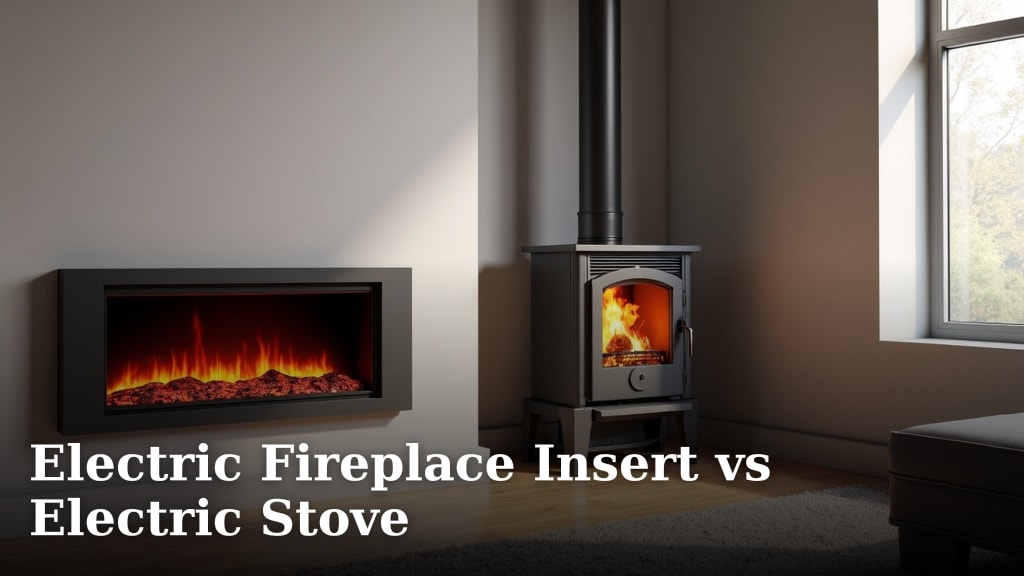
Choosing between an electric fireplace insert and an electric stove depends on your main goal: ambiance or heat. An insert is designed to fit into an existing fireplace or mantel for a cozy visual effect with supplemental heat. An electric stove focuses more on efficient room heating and offers a freestanding, classic look.
Both electric options provide easy installation and require no venting, making them convenient choices for many homes. They offer a clean-burning alternative to traditional wood or gas units. Many people find them a great way to add warmth and style without the hassle of fuel or complex setup.
TL;DR:- Electric fireplace inserts are best for ambiance and a fireplace look.
- Electric stoves prioritize efficient room heating with a freestanding design.
- Both are easy to install and require no venting.
- They offer a clean-burning, convenient heat source.
Let’s break down the key differences and help you decide which electric heating solution is the right fit for your space.
Electric Fireplace Inserts vs. Electric Stoves: What’s the Real Difference?
You’re looking for that cozy glow and some extra warmth without the fuss of wood or gas. That’s smart! Electric fireplaces and stoves offer that. But which one is right for your home? We found that understanding their core purpose helps. An electric fireplace insert is built to mimic the look of a traditional fireplace. It’s often placed inside an existing firebox or a custom mantel. An electric stove, on the other hand, is a freestanding unit. It aims to provide efficient room heating with a classic stove aesthetic.
Think of it this way: if your goal is to create a focal point that looks like a real fireplace, an insert is probably your winner. If your main goal is to heat a specific room effectively, and you like the charming look of a wood stove, then an electric stove might be your better choice. Both are surprisingly easy to install and don’t need any messy venting. This makes them super convenient for many homeowners.
The Purpose: Ambiance vs. Heat Output
Electric Fireplace Inserts: The Ambiance Architects
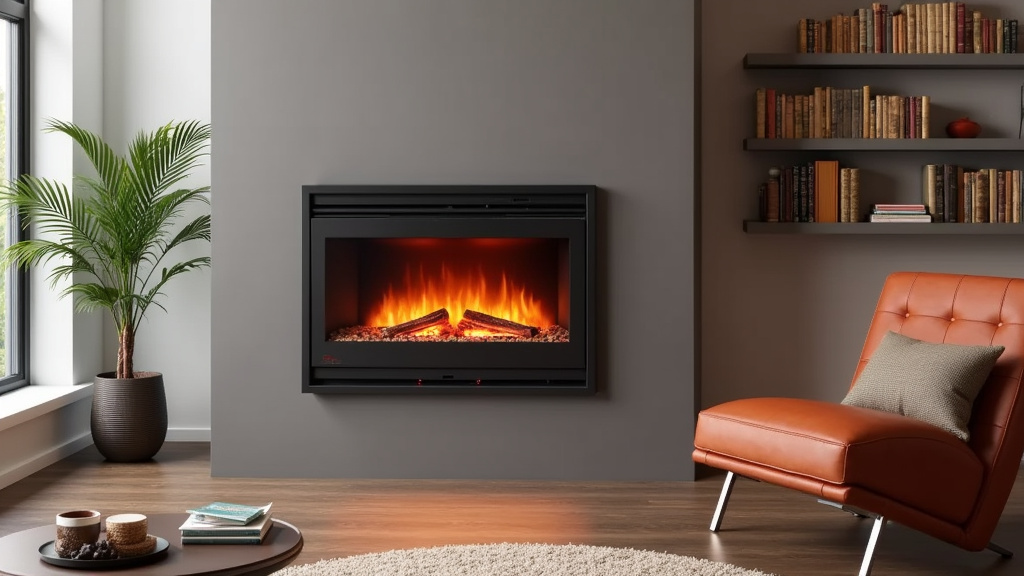
When you picture a fireplace, you’re likely imagining the visual appeal. Electric fireplace inserts excel at this. They are designed to slide into existing hearths. You can also build a custom mantel around them. Many come with realistic-looking logs and flickering flames. We found that the visual effect is often quite convincing. It creates a cozy and inviting atmosphere.
While inserts do produce heat, it’s usually supplemental. This means they are great for taking the chill off a room. They can also reduce your reliance on your central heating system. However, they aren’t typically designed to be the sole heat source for a large area. Many people use them in living rooms or bedrooms for that extra bit of warmth and charm.
Electric Stoves: The Heat-Focused Workhorses
Electric stoves are built with heating efficiency in mind. They are freestanding units. They often resemble traditional cast-iron wood-burning stoves. We found that their primary function is to provide substantial heat for a room. They can often heat larger spaces than fireplace inserts. Some models are powerful enough to act as a primary heat source for a medium-sized room.
The aesthetic of an electric stove is also a big draw for many. They offer a classic, rustic look that can add character to any space. While they still provide a visual element with faux flames, the heating capability is their main selling point. If you need to warm up a basement den or a drafty study, an electric stove is often a top contender.
Installation and Setup: Simplicity is Key
Electric Fireplace Inserts: Fitting into Your Existing Setup
Installing an electric fireplace insert is generally straightforward. You’ll need an existing fireplace or firebox. The insert simply slides into this space. You’ll then plug it into a standard electrical outlet. Many inserts also come with trim kits or surrounds. These help them blend seamlessly into your existing mantel or hearth.
We found that the most challenging part for some is ensuring the insert fits properly within the firebox dimensions. Always measure carefully before purchasing. Most units require minimal assembly. They are designed for DIY installation. This saves you the cost and hassle of professional installation. It’s a big plus for many homeowners.
Electric Stoves: Placing and Plugging In
Electric stoves are even simpler to set up. Since they are freestanding, you can place them almost anywhere in a room. All you need is a level surface and access to an electrical outlet. You simply unbox it, position it where you want it, and plug it in. It really is that easy.
There’s no need to worry about fitting it into an existing structure. You also don’t need to consider ventilation. This makes them incredibly versatile. You can move them from room to room if needed, though they are generally best left in a dedicated space for optimal heating. We found that their plug-and-play nature is a huge advantage for renters or those who like flexibility.
Features and Aesthetics: What Do They Look Like?
Fireplace Inserts: The Realistic Firebox Experience
When it comes to appearance, electric fireplace inserts aim for realism. They often feature 3D flame effects that dance and flicker. Many include adjustable flame brightness and color settings. You can often choose from different log sets to match your style. Some even offer crackling sound effects to enhance the experience.
The overall look is designed to mimic a traditional fireplace. This includes the surround or mantel. You can find inserts that fit into standard builder-grade fireplaces or larger, more ornate mantel setups. We found that the visual appeal is a primary driver for choosing an insert. It’s about creating that classic fireplace ambiance without the actual fire.
Electric Stoves: Classic Charm and Warmth
Electric stoves boast a distinct aesthetic. They typically feature a cast-iron look. This gives them a sturdy, traditional appearance. Many have details like decorative doors and classic stovepipe designs. Like inserts, they also offer simulated flame effects. These can often be adjusted for brightness and sometimes even color.
The focus here is on blending heating function with a charming, rustic design. They can add a touch of country or vintage style to a room. We found that the visual aspect is secondary to heating but still important. People choose electric stoves because they want both efficient warmth and a visually appealing, classic heating appliance.
Heating Capabilities: How Much Warmth Can You Expect?
Inserts: Supplemental Warmth for Coziness
As we touched on, electric fireplace inserts primarily offer supplemental heat. They are best for warming the immediate area around the fireplace. Most units have a heating capacity of around 400 to 1,000 square feet. The actual BTUs (British Thermal Units) vary, but are generally lower than a dedicated space heater or electric stove.
We found that they are excellent for creating a cozy atmosphere. They can also help reduce the workload on your main heating system. This can lead to minor energy savings. However, if your goal is to heat a whole room or house, an insert alone is usually not enough. Think of it as adding an extra layer of comfort on a chilly evening.
Stoves: Robust Heating for Your Space
Electric stoves are designed for more robust heating. Their heating capacity is typically higher. Many models can effectively heat spaces from 500 to 1,000 square feet or more. This makes them a viable option for heating a single room as a primary source. The BTU output is generally higher on stoves compared to inserts.
We found that their ability to circulate warm air is often better due to their design. This allows for more even heating of a room. If you have a basement, garage (check manufacturer specs for suitability), or a room that tends to be colder than the rest of your house, an electric stove can make a significant difference. They are a good choice for supplemental heat or for heating a specific zone.
Cost and Energy Efficiency: What to Consider
Upfront Costs
Electric fireplace inserts can range in price. Basic models might start around $200-$300. Higher-end units with advanced features can go up to $1,000 or more. The cost often depends on the flame realism, heat output, and brand. You might also incur additional costs if you need to modify your existing fireplace opening or build a new mantel.
Electric stoves also have a wide price range. You can find smaller, simpler models for around $150-$250. More robust, decorative stoves with advanced features can cost $500 to $1,000+. We found that the price often reflects the heating power and the quality of the materials and finish. Since they are freestanding, there are typically no installation costs beyond your own labor.
Running Costs and Energy Use
Both electric fireplace inserts and electric stoves use electricity to generate heat. The cost of running them depends on your local electricity rates and how often you use them. When using the heat function, they consume energy similar to a powerful space heater. We found that a typical 1500-watt heater (common for both units) will use about 1.5 kilowatts per hour.
To estimate your costs, multiply 1.5 by your local kilowatt-hour rate and then by the number of hours you run the unit. For example, if your rate is $0.15 per kWh, running a unit for 8 hours would cost about $1.80 ($0.15 x 1.5 x 8). Many units also have a “flame-only” setting. This uses very little electricity, similar to a few LED light bulbs, allowing you to enjoy the ambiance without significant energy use.
Making Your Choice: A Quick Checklist
To help you decide, consider these points:
- What is your primary goal: ambiance or powerful heat?
- Do you have an existing fireplace you want to enhance?
- Are you looking for a freestanding unit that can be moved?
- What is the size of the room you intend to heat?
- What is your budget for the unit and any potential modifications?
- Do you prefer the look of a traditional fireplace or a classic stove?
Conclusion
You’ve learned that your choice between an electric fireplace insert and an electric stove really comes down to what you want most. If you’re aiming for the cozy atmosphere of a fireplace and want to enhance an existing hearth, an insert is likely your best bet. For those prioritizing effective room heating with a charming, classic look, an electric stove is a strong contender. Both offer simple installation and no venting needs, making them practical upgrades for your home. Before you buy, think about your main goal – ambiance or heat – and your space’s specific needs.
Frequently Asked Questions
Can I use an electric fireplace insert without the heat on?
Yes, absolutely. Most electric fireplace inserts allow you to turn the heat function off and just use the flame effect. This lets you enjoy the cozy visual ambiance year-round without adding any extra warmth or using more electricity.
How much space can an electric stove realistically heat?
Electric stoves are designed for more robust heating. Depending on the model’s wattage and BTU output, many can effectively heat a medium to large room, typically ranging from 500 to 1,000 square feet. Always check the manufacturer’s specifications for your specific unit.
Do electric fireplaces and stoves use a lot of electricity?
When using the heat function, they consume electricity similar to a powerful space heater, usually around 1500 watts. However, the “flame-only” mode uses very little power, comparable to a few LED bulbs, so you can enjoy the visual effect affordably.
Can I install an electric fireplace insert myself?
Generally, yes. Most electric fireplace inserts are designed for DIY installation and simply slide into an existing firebox. You’ll need to ensure it fits your dimensions and plug it into a standard outlet, making it a straightforward project for many homeowners.
Are electric stoves safe to put near furniture?
Electric stoves produce heat, but their exteriors typically remain cooler than traditional wood stoves, especially on models with good insulation. It’s still wise to maintain a reasonable distance from curtains and furniture, and always follow the manufacturer’s recommended clearance guidelines for safety.