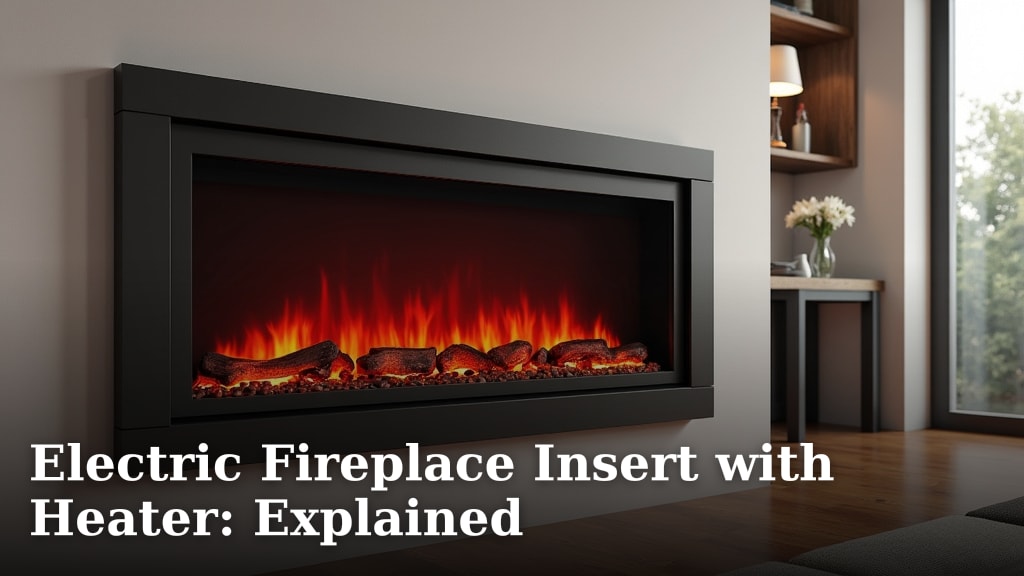
Electric Fireplace Insert with Heater: Explained
An electric fireplace insert with a heater is a self-contained unit that slides into an existing fireplace opening. It combines the visual appeal of a fire with a built-in heating element to warm your room. This is different from a simple insert that only produces flames for ambiance.
We found that many people choose this option for efficient zone heating and easy installation. It offers the look of a traditional fire without the hassle of wood, gas lines, or complex venting. You get supplemental heat and a cozy focal point in one simple package.
- An electric insert is a complete heating appliance designed for your existing fireplace space.
- It provides both realistic flame effects and functional heat, often with a thermostat.
- Installation is typically straightforward, usually requiring only a standard electrical outlet.
- It’s a popular choice for adding supplemental heat to a room safely and conveniently.
- Key factors include heating capacity (measured in BTUs), flame style, and overall dimensions.
Below, we walk through exactly how this heating solution works, its benefits, and what to consider before you buy.
Understanding the Electric Fireplace Insert with Heat
This appliance is a plug-and-play heating solution for your unused firebox. Think of it as a pre-built appliance you simply slide into the existing opening. It does the work of creating both a realistic fire display and warm air for your room.
How It Creates Flames and Heat
The magic happens with two separate components working together inside the same box. One part is entirely dedicated to the visual effect. The other part generates the warmth you feel.
The Flame Effect Technology
Modern inserts use one of two main methods to simulate fire. The most common is LED lighting paired with a water vapor system. It projects light onto a screen or logs while a fine mist creates a dancing, 3D effect. Some high-end models use a rotating reflection system. They bounce light from a flame bar onto spinning mirrors for a very dynamic look. Both methods are energy-efficient and stay cool to the touch.
The Heating Element
The heat comes from a separate, built-in fan-forced heater. It works much like a portable space heater. When you turn it on, a metal element gets hot. A quiet fan then blows air across this element and out into the room. You control the heat with a thermostat or a simple low/high setting on the remote. Importantly, the heater often runs independently. You can enjoy the flames year-round without producing any heat.
Key Benefits for Your Home
People choose this solution for very practical reasons. We found it answers several common homeowner problems at once.
- It heats a specific zone efficiently. Instead of raising your whole home’s temperature, it warms the room you’re in, which can lower your overall energy bill (U.S. Department of Energy).
- Installation is incredibly simple. Most units plug directly into a standard 120-volt household outlet. No venting, gas lines, or chimney cleaning is required.
- Safety is a top priority. The glass front stays cool, making it safer for homes with children or pets. Most models also have automatic shut-off features if the unit overheats.
- It requires almost zero maintenance. There are no ashes to sweep up, no wood to store, and no annual chimney inspection needed. A occasional dusting is all it takes.
Choosing the Right Size for Your Space
Picking the correct insert is not just about looks. Getting the right size ensures it both fits your fireplace opening and heats your room properly. This is where careful measuring pays off.
Measuring Your Fireplace Opening
You need three key measurements. First, the width at the front and back of the opening. Second, the height. Third, the depth from the front to the back wall. Always take the smallest measurement for width and height. Your insert must be smaller than those numbers to slide in. Leave a little gap for airflow around the unit.
Understanding Heating Capacity (BTUs)
BTU stands for British Thermal Unit. It measures how much heat the unit can produce. A simple rule we found is to use about 20 BTUs per square foot of living space. For a 200-square-foot room, you’d want a model with at least 4,000 BTUs. Note that a standard 120-volt outlet typically supports up to about 5,000 BTUs. For stronger heating in larger rooms, you may need a 240-volt model and a special outlet.
| Room Size (Approx.) | Minimum BTU Recommended | Typical Power Requirement |
|---|---|---|
| Up to 200 sq ft (Bedroom) | 4,000 BTUs | 120-volt standard outlet |
| 200 – 400 sq ft (Living Room) | 5,000 – 8,000 BTUs | 120-volt or 240-volt |
| Over 400 sq ft (Great Room) | 10,000+ BTUs | 240-volt dedicated circuit |
Installation: What the Process Involves
The great news is that for most homes, installation is a weekend project, not a renovation. You’re essentially adding a new appliance to an existing space.
Basic Steps for a Standard Installation
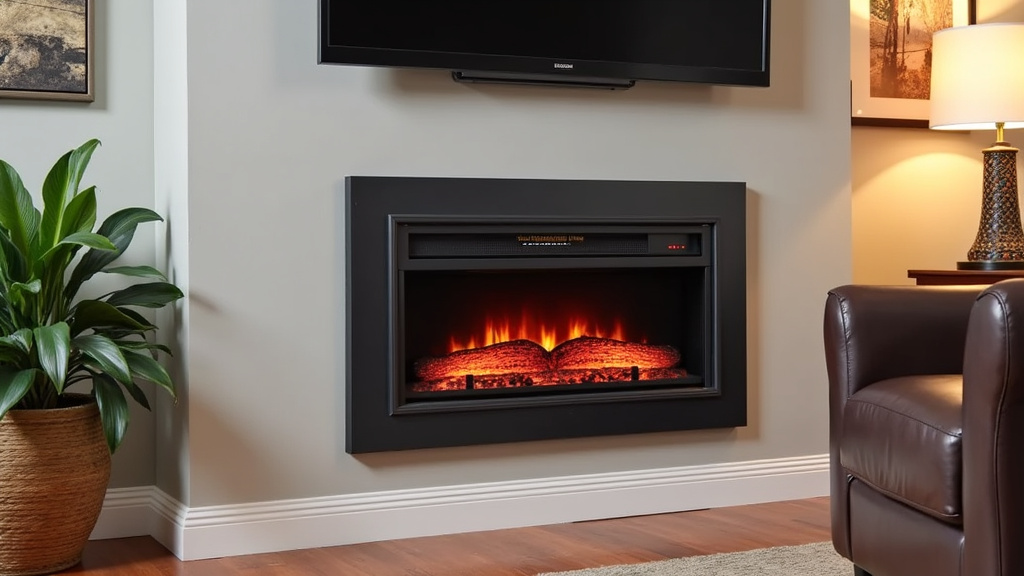
The process is usually straightforward. First, you clean out the existing firebox thoroughly. Next, you slide the insert into the opening. You then connect it to the electrical outlet. Many people place decorative trim around the edge to frame it nicely and hide any gaps. Finally, you plug it in and enjoy. Many homeowners feel confident doing this themselves.
When You Might Need Professional Help
Consider a professional installer in two main scenarios. One is if your model requires a 240-volt connection. A licensed electrician must install the proper outlet and circuit. The second is if you want to hardwire the unit directly into your home’s electrical system instead of using a plug. A certified electrician ensures it’s done safely and up to code.
Maintenance and Long-Term Use
One of the biggest advantages is how little care they need. This makes them ideal for busy households or rental properties.
Routine Cleaning and Care
You’ll want to keep the exterior and interior clean. Turn the unit off and unplug it first. Use a soft, dry cloth to wipe down the exterior. For the inside, gently dust the log set or crystal bed with a brush attachment on your vacuum. The manual will have specific advice. Never use liquid cleaners or abrasive pads on the heating element or flames.
Long-Term Reliability
The LED lighting and heating elements are designed to last for many years. The U.S. Department of Energy notes that LEDs can have a lifespan of 25,000 hours or more. The fan motor and heating element are also durable parts. The most common issue is a blown internal fuse or a tripped circuit breaker, which are simple fixes.
Safety Considerations to Keep in Mind
While they are much safer than wood-burning fires, they are still electrical appliances. A few sensible precautions ensure peace of mind.
- Keep the air intake and vent clear. Don’t block the front or sides of the unit. This allows proper airflow and prevents overheating.
- Never use extension cords. The unit draws a lot of power. Always plug it directly into a wall outlet to prevent fire risk.
- Follow the manufacturer’s clearance rules. Keep combustible materials like furniture, curtains, and firewood at least 3 feet away from the unit.
- Use the tip-over safety switch. Most units have one. If they are knocked over, they shut off automatically.
The National Fire Protection Association (NFPA) recommends that all heating equipment be kept clear of combustible materials. It’s good practice to have a working smoke alarm in the room.
Final Checklist Before You Purchase
Ready to move forward? Run through this quick list. It helps ensure you get the perfect fit and function for your needs.
- ☐ I have measured my fireplace opening (width, height, depth) precisely.
- ☐ I know the square footage of the room I want to heat.
- ☐ I’ve confirmed the location has a suitable electrical outlet nearby.
- ☐ I’ve decided if I want a plug-in unit or if I need 240-volt hardwiring.
- ☐ I’ve considered the flame style (logs, crystals, driftwood) that matches my decor.
- ☐ I’ve checked the noise level in the product specs, as fan sounds vary.
With this information, you are ready to browse models with confidence. You understand the technology, the benefits, and the practical steps to make it a reality in your home.
Conclusion
An electric fireplace insert with a heater offers a practical and attractive way to add warmth to a specific room. It combines realistic flame effects with efficient zone heating, all without the mess of wood or complexity of gas. As we’ve covered, the key is matching the unit’s size and BTU output to your space and electrical setup. This approach ensures you get both the ambiance you want and the supplemental heat you need. You now have the knowledge to make a confident choice.
Your best next step is to take precise measurements of your fireplace opening and the room you want to heat. Use that information to browse models that fit your needs and budget.
Frequently Asked Questions
How much will an electric fireplace insert cost to run?
The running cost depends on your local electricity rates and how often you use it. Using the heat function costs about as much as a standard space heater, often $0.05 to $0.15 per hour. Enjoying the flame effect without heat uses very little power, often less than a light bulb.
Can I install this in a fireplace that’s never been used for wood?
Yes, you can. As long as the opening is the correct size and you have a nearby electrical outlet, the insert works regardless of the fireplace’s history. You do not need a functioning chimney or vent of any kind for this type of unit.
Is it better than just using a space heater?
It depends on your priorities. An electric insert provides both heat and a decorative focal point, which a basic space heater does not. It’s designed to fit your existing fireplace, making it look built-in. For purely heating a small area without caring about aesthetics, a space heater might be cheaper.
Can I run the flames without the heater in the summer?
Yes, absolutely. One of the best features is that the flame effect and the heater work independently. You can enjoy the cozy ambiance of the fire all year round without producing any heat. It’s a great way to add atmosphere to a room in any season.
Do these units make a lot of noise?
The noise level varies by model, but most are designed to be quiet. The only potential noise comes from the small fan that blows the warm air. Many people compare it to the hum of a refrigerator. Check the product specifications for a stated decibel (dB) rating if noise is a concern.