Electric Fireplace Insert with Blower: A Simple Guide
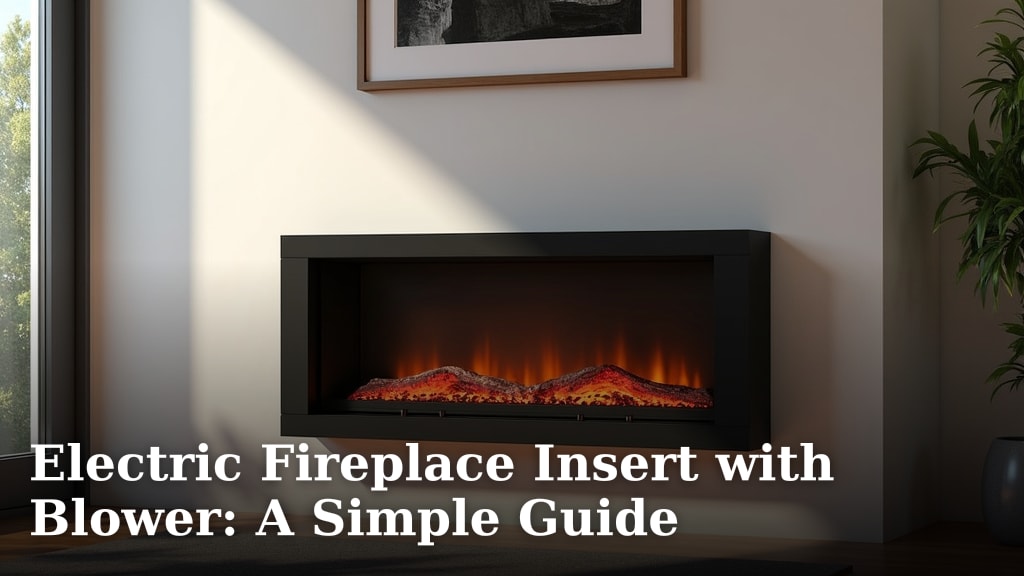
An electric fireplace insert with a blower is a heating appliance that slots into an existing fireplace opening and uses a built-in fan to push warm air into your room more effectively. It turns a traditional, unused fireplace into a source of supplemental heat and ambiance without the mess of real wood.
This simple upgrade adds zone heating efficiency by circulating the warmth produced by the electric elements. Many homeowners choose this option to enjoy a cozy, realistic flame effect while also getting a practical boost in room temperature during colder months.
- It’s a self-contained unit that fits inside your current fireplace cavity.
- The blower or fan is the key part that distributes heat farther and faster than a standard insert.
- You’ll want to consider your fireplace dimensions and the heater’s wattage.
- Installation is often a straightforward DIY project for many models.
- It provides supplemental heat and a cozy focal point for your living space.
Below, we break down exactly what to look for when choosing an insert and how to get the most out of your purchase.
How an Electric Insert with Blower Actually Works
An electric fireplace insert with a blower is a clever solution for turning your unused hearth into a functional heater. Think of it like a space heater that lives inside your fireplace. The core components are simple: electric heating elements that warm up and a fan or blower that pushes that warm air out into the room.
The blower’s job is critical. Without it, the heat might just sit inside the fireplace cavity or rise straight to the ceiling. The fan forces the warm air out through vents, often near the front or bottom, creating a more effective circulation. This is what gives you that noticeable supplemental heat in your living space.
Key Parts Inside the Unit
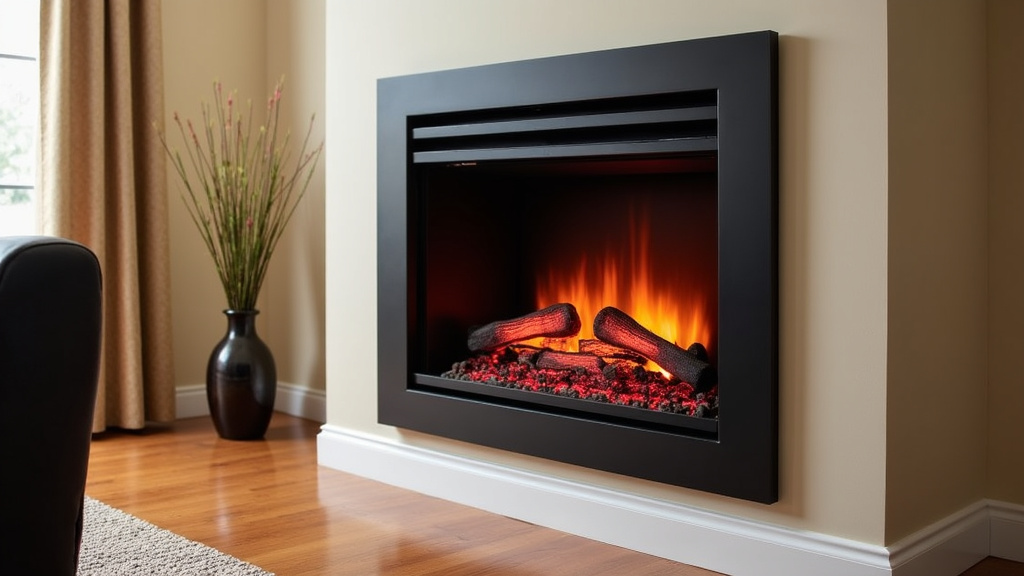
Inside most inserts, you’ll find a few core components. The heating coil gets hot when you turn the unit on. Then, the fan motor activates, spinning blades to move air. There’s also a control panel for adjusting settings. Some models have a separate thermostat, while others have one built in.
Many units use infrared quartz elements. These heat objects directly, not just the air, which some people find more comfortable. We found that this technology is often used in higher-quality inserts (Mayo Clinic). The heat output is measured in BTU, which tells you how powerful the heater is.
Blower vs. No Blower
You might wonder if the blower is a must-have. It truly is for effective heating. A basic electric insert without a blower will add some warmth, but it won’t travel far. The blower acts like a tiny HVAC system for your fireplace, making the heat useful for a larger area.
Choosing the Right Insert for Your Fireplace
Picking the right insert isn’t guesswork. It comes down to three main things: measurements, power, and features. Let’s start with the most important step, which many people skip.
Measuring Your Fireplace Opening
You must measure your fireplace opening precisely. This isn’t the mantel or the hearth; it’s the actual rectangular or arched cavity where the insert will sit. Measure the width, height, and depth. Then, compare these numbers to the insert’s specifications.
A good rule of thumb is to subtract about an inch from your measurements to ensure a proper fit. You need a little wiggle room, but too much gap looks awkward and loses heat. It’s like buying a picture frame – you want it snug.
Understanding Wattage and Heating Power
Most electric inserts are rated in watts. A standard 1,500-watt unit is common and can heat a room up to 400 square feet. If your room is larger, you might need a model with 2,000 watts or consider using it as zone heating for a specific area.
Zone heating is a smart strategy. You heat the room you’re in, not the whole house. This can help lower your central heating bill. It’s like wearing a warm sweater instead of turning up the thermostat for the entire house.
Installation: What You Can Do Yourself
For many homeowners, installation is surprisingly simple. Most inserts are designed as a DIY project. You typically just slide the unit into the fireplace opening and plug it into a standard 120-volt outlet.
Basic Steps for a DIY Setup
The process is usually straightforward. First, clean out any debris from your old fireplace. Then, measure the opening to confirm the fit. Next, place the insert inside and secure it if it has brackets. Finally, plug it in and test it.
You may need to assemble decorative logs or a front panel. This is often like putting together simple furniture. If your old fireplace has a gas line, you might need a professional to cap it safely before installing the electric insert.
When to Call a Professional
You should consider hiring a pro if you’re uncomfortable with electrical work or if your fireplace needs modifications. For example, if the opening is unusual, an electrician might need to install a dedicated circuit. It’s better to be safe than sorry.
Getting the Most Heat from Your Insert
Once installed, you can optimize how well it heats your space. The blower is the main tool, but how you use it matters.
Best Settings for Effective Heating
Start with the fan or blower on a medium setting. This balances noise with heat distribution. You don’t need the blower on high all the time; it can be too loud. Many models have a thermostat that cycles the heat and fan automatically to maintain a steady temperature.
Place the insert in the room you use most, like the living room. It will work best in a space with good airflow. Keep doors open to let the warm air circulate. It’s similar to how a kitchen fan pulls air – the blower pushes warm air out, and it needs somewhere to go.
Using the Flame Effect
The flame effect is for ambiance, not heat. You can often run it without the heater. This is perfect for milder evenings when you want a cozy look but not extra warmth. It uses very little electricity and adds a nice glow to your room.
Key Features to Look For When Shopping
When you’re comparing models, don’t get overwhelmed by flashy names. Focus on these practical features that make a real difference.
What Really Matters
- Thermostat Control: Allows you to set a target temperature for automatic on/off cycles.
- Adjustable Fan Speed: Lets you control the noise level and air flow.
- Flame-Only Mode: Saves energy when you just want the visual effect.
- Timer Function: Shuts the unit off after a set time, which is great for bedtime.
- Remote Control: A simple convenience for adjusting from your couch.
We found that models with a ceramic or quartz element tend to heat more evenly. They also tend to be more energy-efficient than basic coil elements.
Comparing Different Insert Models
Not all inserts are the same. Here’s a simple table to help you compare some common types. This is based on general features found across various brands.
| Feature | Standard Electric Insert | Insert with Advanced Blower |
|---|---|---|
| Heat Distribution | Basic fan, moderate airflow | Variable-speed blower, wider distribution |
| Noise Level | Can be audible on high | Often quieter operation |
| Thermostat | May be basic or absent | Precise thermostat common |
| Ideal Room Size | Up to 300 sq. ft. | Up to 400-500 sq. ft. |
| Price Point | More budget-friendly | Mid-range to higher cost |
This table is a starting point. Always check the specific wattage and BTU listed for any model you consider. The numbers tell the real story about heating power.
Safety and Maintenance Tips
Like any appliance, your insert needs basic care to stay safe and effective. These tips will help you keep it running well for years.
Regular Checks for Safe Operation
Always keep the area around the insert clear. Don’t place furniture or curtains too close to the vents. The front grille can get warm, so keep little hands and paws away. We found that following manufacturer guidelines reduces any safety risks (CDC).
It’s also wise to check the power cord periodically. Make sure it’s not frayed or pinched. If the insert has a filter, clean it every few months. A dirty filter can make the blower work harder and reduce efficiency.
What Not to Do
Never use the insert to dry clothes or heat objects directly on it. Don’t block the air intake or exhaust vents. These are simple things, but they’re important. Think of it like keeping your car’s air filter clean – it just makes everything work better.
Your Quick-Start Checklist
Before you buy and install, run through this simple list. It will help you make a good decision.
- Measure twice: Width, height, and depth of your fireplace opening.
- Check the wattage: Ensure it’s enough for your room’s square footage.
- Look for a thermostat: This will save energy and keep you comfortable.
- Test the blower sound: Read reviews about how loud the fan is.
- Plan the power source: Ensure you have a nearby, safe outlet.
- Read the manual: Even for a DIY install, it’s your best guide.
Final Thoughts on Making the Switch
An electric fireplace insert with a blower is a practical way to enjoy the look of a fire and gain real warmth. It’s a straightforward upgrade that can make your home cozier during the cold months. The blower is what makes the heat effective, turning a decorative piece into a real room heater.
You don’t need to be an expert to set it up, and you can start using it the same day it arrives. Just remember to measure carefully, pick the right power level for your space, and enjoy the warm glow.
Conclusion
An electric fireplace insert with a blower is a smart, practical upgrade. It transforms your unused hearth into a source of real, supplemental heat and cozy ambiance. The key is the blower, which pushes warmth effectively into your room. You now know how to choose one that fits your space, how to install it safely, and how to get the most from its features. You can enjoy a more comfortable home this winter without a major renovation.
Your next step is simple: grab a tape measure. Precisely measure your fireplace opening’s width, height, and depth. With those numbers, you can confidently find the perfect insert that will slide right in and start warming your living space.
Frequently Asked Questions
How loud is the blower fan on these inserts?
The noise level varies by model. Most modern inserts with blowers are designed to be quiet, often comparable to a gentle hum. You can usually find decibel ratings in product specs, and checking user reviews can give you a realistic idea of the sound level during operation.
Can I use an electric insert with a blower in a bedroom?
Yes, it’s a popular choice for bedrooms. The ability to run the flame effect without heat is perfect for ambiance. For heating, the thermostat control helps maintain a comfortable, consistent temperature without constant noise, making it ideal for a restful night.
Does it significantly increase my electricity bill?
It will have an impact, but it’s often more efficient than heating your entire home. A 1,500-watt unit costs about 18 cents per hour at the average U.S. rate. Using the zone heating strategy—only heating the room you’re in—can help offset your central heating costs.
What if my fireplace has no electrical outlet inside?
This is a common situation. You can hire an electrician to install a hidden outlet inside the firebox, which is the cleanest look. Alternatively, some people use a flat, furniture-grade extension cord routed discreetly along the wall, but you must follow the manufacturer’s safety guidelines for this.
Do I need to vent anything to the outside?
No, electric inserts require no venting or chimney connection. That’s a major benefit. All the heat is generated and distributed directly into the room by the blower, making installation simpler and more flexible for almost any home.