Electric Fireplace Insert with Logs: Quick Fixes
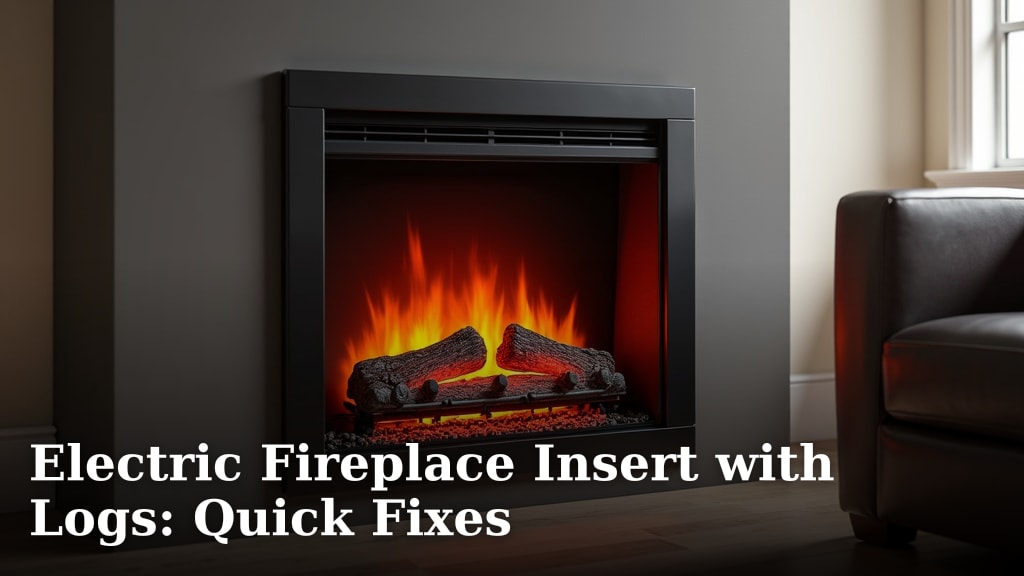
Yes, you can quickly fix many common issues with an electric fireplace insert with logs. Often, the problem is just a loose connection or a simple setting adjustment. You don’t always need a professional to get your cozy ambiance back.
These fireplace inserts are designed for user-friendly maintenance. Most minor hiccups involve checks like ensuring the power cord is secure or that the remote control has fresh batteries. We’ve found that many users can solve their own problems with a little guidance.
- Check the power cord connection.
- Verify remote control batteries.
- Look for simple on-unit controls.
- Ensure logs are seated correctly.
- Review your owner’s manual.
Let’s walk through some of the most common quick fixes you can try yourself to get your electric fireplace looking and working great again.
Troubleshooting Your Electric Fireplace Insert with Logs
Many common issues with your electric fireplace insert can be resolved with simple troubleshooting steps. You don’t need to be an expert to get your fireplace working again. We’ve found that most problems stem from easily fixable causes. Let’s walk through these common fixes.
No Heat or Flame Effects? Let’s Investigate
First Checks: Power and Settings
When your fireplace isn’t producing heat or the flame effect isn’t visible, the first thing to check is the power supply. Is the unit plugged in securely? Sometimes, the plug can become loose, especially if it’s behind furniture. A simple push to ensure a firm connection can resolve this. Also, check if the circuit breaker for the outlet has tripped. Many electric fireplaces draw a fair amount of power, and it’s not uncommon for a breaker to trip.
Next, let’s look at the controls. If you’re using a remote control, ensure it has fresh batteries. Dead batteries are a frequent culprit for a seemingly unresponsive unit. Try replacing them with a new set. If there are buttons directly on the fireplace unit itself, try using those. This helps determine if the issue is with the remote or the fireplace’s internal functions.
Are the Logs in Place?
It might sound odd, but the logs themselves can affect how the flame effect appears. The flame effect often projects from a specific point or area within the firebox. If the logs have shifted significantly, they might be blocking the projection of the light that creates the flame illusion. Gently reposition the logs according to your owner’s manual. Ensure they are seated correctly on their designated supports. You don’t want them jammed in a way that interferes with the light.
Heating Element Concerns
If you’re getting the flame effect but no heat, the issue might be with the heating element. Many electric fireplaces have a safety feature that will shut off the heat if the unit overheats or if airflow is blocked. Ensure that nothing is obstructing the vents where the heat is supposed to come out. Check for dust buildup, which can also hinder performance. Sometimes, a simple reset by unplugging the unit for a few minutes and plugging it back in can clear minor electronic glitches that might be preventing the heater from engaging.
Common Remote Control Issues
Pairing the Remote
Is your remote control not responding at all? It might have lost its connection or pairing with the fireplace unit. Many models require the remote to be ‘paired’ with the unit. Research and found that this process is usually straightforward. Typically, it involves pressing and holding a specific button on the remote while also pressing a button on the fireplace unit itself. Your owner’s manual will detail the exact steps for your model. Don’t underestimate the power of that manual; it’s often your best friend for these issues.
Line of Sight and Range
Infrared remotes need a clear path to the unit’s receiver. Ensure there’s nothing obstructing the line of sight between the remote and the fireplace. Also, consider the range. Are you too far away? Most remotes have a specific range, usually around 15-25 feet. If you’re standing too far back, the signal might not reach the fireplace. Try moving closer to the unit and try again. We found that walls or large furniture can sometimes interfere with the signal, even if there isn’t a direct obstruction.
Flame Effect Problems
Dim or Flickering Flames
If the flame effect appears dim or is flickering erratically in a way that doesn’t look natural, check the light source. Many electric fireplaces use LED lights to create the flame effect. Ensure these lights are clean and unobstructed. Sometimes, a small amount of dust can settle on the internal lens or bulb housing. Gently wipe it clean with a dry, soft cloth if accessible and safe to do so according to your manual. A loose connection to the light assembly could also cause flickering, but this is less common and might require professional attention.
Color or Brightness Settings
Did the flame color or brightness change unexpectedly? Some advanced models allow you to customize the flame color and intensity. You might have accidentally adjusted these settings, perhaps by pressing a wrong button on the remote or the unit. Review your owner’s manual to find out how to reset the flame effect to its default settings or to cycle through the available options. It’s easy to do, and often the solution is just a few button presses away.
Addressing Overheating and Safety Shut-offs
Understanding Airflow
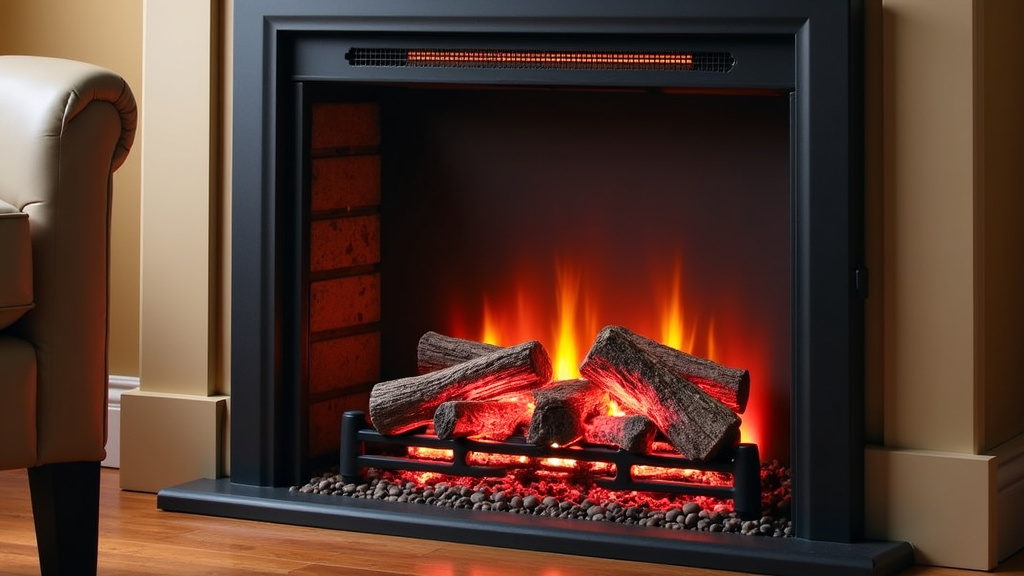
Electric fireplaces need proper airflow to function safely and efficiently. The heater generates heat, and this heat needs to be dispersed. If the air vents are blocked, the unit can overheat. This might trigger a thermal cutoff switch, shutting down the heater to prevent damage. Always ensure that furniture, curtains, or other objects are at least 3 feet away from the front and sides of the fireplace. Also, check the intake and exhaust vents for any accumulated dust or debris that could impede airflow. A simple cleaning with a vacuum cleaner’s brush attachment can often resolve this.
Resetting the Thermal Cutoff
If your fireplace has shut off due to overheating, it might need to be reset. The process usually involves unplugging the unit from the power outlet and waiting for it to cool down completely. This can take anywhere from 30 minutes to an hour. Once cool, plug it back in. If the problem persists after ensuring proper ventilation, there might be an issue with the thermal cutoff switch itself, and you may need to contact the manufacturer or a qualified technician.
When to Call a Professional
While many issues are user-fixable, some problems indicate a deeper concern. If you’ve tried all the basic troubleshooting steps and your fireplace still isn’t working correctly, it might be time to seek professional help. Issues like electrical shorts, internal wiring problems, or a faulty thermostat usually require an experienced technician. If you notice any strange smells, hear unusual noises, or see sparks, immediately unplug the unit and call a professional. It’s always better to be safe than sorry when dealing with electrical appliances.
Here’s a quick checklist to run through:
- Confirm the power cord is firmly plugged in.
- Replace batteries in the remote control.
- Check for obstructions around air vents.
- Ensure logs are positioned correctly.
- Review your owner’s manual for specific troubleshooting.
- Try resetting the unit by unplugging it.
Conclusion
You can tackle many common electric fireplace issues yourself. We’ve shown you how to check power, remote controls, and log placement. Simple steps like ensuring clear vents or resetting the unit can often restore your fireplace’s function. Remember to always consult your owner’s manual for model-specific guidance. If you’ve tried these fixes and still have problems, don’t hesitate to reach out to a professional. Enjoy your cozy, warm space with confidence!
Frequently Asked Questions
My electric fireplace is plugged in, but nothing happens. What should I check first?
First, check if the circuit breaker connected to the outlet has tripped. If it has, reset it. Also, try plugging another appliance into the same outlet to confirm the outlet is working. Finally, ensure the fireplace’s main power switch, if it has one, is turned on.
The flame effect works, but there’s no heat. What could be the problem?
This often means the heating element or its safety features are involved. Check that the unit’s air vents are not blocked by furniture or dust, as this can trigger an overheat shut-off. You can try unplugging the unit for 30 minutes to reset any internal safety cutoffs, then plug it back in and try the heat again.
My remote control isn’t working, even with new batteries. What else can I try?
Your remote might need to be re-paired with the fireplace unit. Most manuals explain how to do this, often by pressing specific buttons on both the remote and the fireplace. Also, ensure you are within the remote’s effective range and have a clear line of sight to the fireplace sensor.
The logs look messy and are blocking the flame. How do I fix them?
Logs can shift during shipping or use. Gently rearrange them according to your owner’s manual’s diagram. They need to be seated correctly so they don’t block the light that creates the flame effect. Avoid forcing them; they should sit naturally on their supports.
My fireplace shut off suddenly. Is it broken?
It might have shut off due to overheating, a common safety feature. Ensure all air vents are clear of obstructions and dust. Unplug the unit for about an hour to let it cool completely, then plug it back in. If it shuts off again after minimal use, it’s best to contact the manufacturer or a technician.