
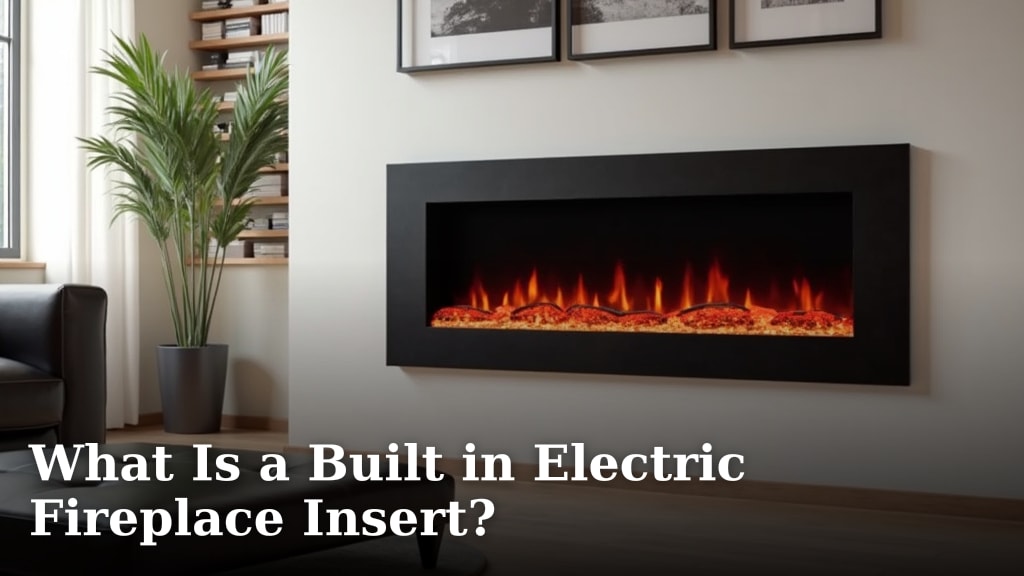
What Is a Built in Electric Fireplace Insert?
Understanding the Built-In Electric Fireplace Insert
A built-in electric fireplace insert is a self-contained unit designed to be permanently installed into a wall, cabinet, or mantel enclosure. It provides the visual and heating benefits of a fireplace without requiring a chimney, venting, or a traditional firebox. Think of it as the core engine for your modern, hassle-free fireplace setup.
How It Differs from Other Electric Fireplaces
You’ll encounter several electric fireplace styles on the market. The insert is distinct because of its installation method and intended use. It’s not a plug-and-play appliance you simply set in front of a wall.
Freestanding vs. Wall-Mount vs. Insert
- Freestanding models look like traditional stove heaters and can be placed anywhere with an outlet.
- Wall-mounted units attach directly to a wall surface, often with a flush or recessed profile.
- Built-in inserts require a framed opening. They are meant to be a permanent, integrated feature of a room’s architecture.
The Core Components Inside the Box
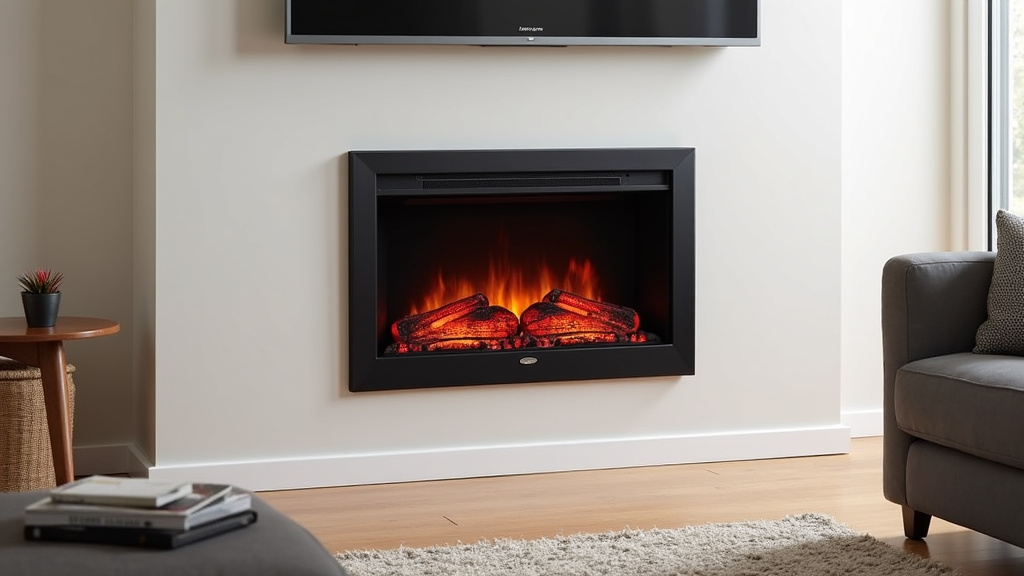
When you purchase a built-in insert, you’re getting a kit. Research shows that the basic package almost always includes the firebox unit itself, a mounting frame or trim kit, and a remote control. The firebox contains the LED or crystal flame effects, the electric heating element, and a fan to circulate warm air. Some higher-end models might include logs, media, or additional trim options.
Key Benefits of Choosing an Insert Style
Why go through the trouble of installation when easier options exist? The payoff comes in both aesthetics and performance. A built-in insert offers a cleaner, more permanent look that can elevate a room’s design.
A Custom, High-End Appearance
The primary advantage is seamless integration. Once installed, the trim frames the unit perfectly, making it look like a custom architectural feature rather than an appliance. This is ideal for new construction or major renovations where you want a sleek, modern focal point without the bulk of a mantle surrounding a large freestanding unit.
Efficient Heating and Placement Flexibility
These units are often powerful. We found that many built-in inserts pack 5,000 BTUs or more, effectively heating spaces up to 400-600 square feet. Because they can be installed in an interior wall, they can bring heat and ambiance to rooms where a traditional chimney is impossible, like a basement or a central bathroom.
Safety and Simplicity in Operation
There’s no real fire, so you don’t have to worry about sparks, smoke, or carbon monoxide. The heating element and flame effects operate independently. You can enjoy the visual glow year-round without turning on the heat. This flexibility is a major plus for many households.
How a Built-In Electric Fireplace Insert Works
At its heart, the technology is straightforward. The magic is in the illusion and the electric heater, working together in a safe, contained package.
The Flame Effect Technology
Modern inserts use one of two main technologies. LED flame effects are the most common. They project realistic, flickering light onto reflective panels or onto included logs and crystals. Some premium models use ultrasonic vapor to create a mist that catches the light, producing a remarkably three-dimensional flame with actual “steam” rising. Many experts say LED technology is more energy-efficient and durable.
The Heating Element Explained
Behind the flames sits a simple electric heater, similar to a space heater. A fan pulls in room air, passes it over a heated coil, and pushes the warm air out through a vent, usually located at the top or bottom. This process is 100% efficient at point of use—all the electricity consumed is converted directly into heat for your room.
| Feature | Standard Electric Insert | Media-Electric Insert |
|---|---|---|
| Flame Bed | Typically features resin logs | Features crystals, rocks, or gems |
| Aesthetic | Traditional, mimics a wood fire | Contemporary, modern, and sleek |
| Heat Output | Often 5,000 BTU (heats ~400 sq ft) | Often 5,000 BTU (heats ~400 sq ft) |
| Common Use | Family rooms, dens, traditional decor | Modern spaces, bedrooms, offices |
Installation Considerations You Need to Know
Installing a built-in insert is a project. It’s more involved than plugging in a heater but less complex than a gas line or chimney build. Planning is everything.
Framing and Clearance Requirements
You will need to create an opening in your wall. This opening must follow the precise dimensions specified by the manufacturer. Most inserts come with a mounting frame that you attach to the wall studs. You must also maintain specific clearances to combustible materials—this is a critical safety point. Always follow the manual exactly. The National Fire Protection Association (NFPA) standards for electrical installations provide a baseline for safety.
Electrical Needs and Professional Help
Most standard inserts plug into a regular 120-volt household outlet. However, for optimal performance and to avoid tripping breakers, a dedicated circuit is often recommended. For a truly seamless look, hardwiring the unit is best. This should be done by a licensed electrician to ensure it meets all local building codes.
Venting: The Good News
Here’s the easiest part—there is no venting required. Because all the heat is dispersed into the room and there are no combustion byproducts, you don’t need a chimney, flue, or external pipe. This opens up almost unlimited installation possibilities.
Built-In Inserts vs. Traditional Wood or Gas Fireplaces
How does this modern option stack up against the classics? The comparison often comes down to convenience, cost, and that ineffable “real fire” feeling.
Cost Comparison: Upfront and Ongoing
The upfront cost of a built-in electric insert is generally lower than installing a new gas fireplace and far less than a wood-burning fireplace with a chimney. Ongoing costs are also predictable: you pay only for the electricity you use, with no chimney sweeping, gas line maintenance, or wood hauling.
Maintenance and Air Quality
Wood-burning fireplaces create ash and soot, require regular chimney cleaning, and can impact indoor and outdoor air quality. Gas fireplaces need annual servicing. An electric insert needs only the occasional dusting of the logs or crystals and cleaning of the air intake filter. It’s the clear winner for minimal maintenance.
Features to Look for When Shopping
Not all inserts are created equal. To get the best value and performance, here’s what our research shows you should prioritize.
- Flame Customization: Look for adjustable flame speed, color, and brightness. The best units offer multiple color palettes.
- Heating Modes: Can you run the flames without heat? Is there a thermostat to maintain a set temperature?
- Sound Effects: Many models include a crackling sound option. Check if you can adjust the volume or turn it off completely.
- Timer and Controls: A programmable timer and a user-friendly remote are key for convenience.
- Trim Kit Style: Does the included trim match your decor? Options might include black, brushed nickel, or chrome finishes.
- Warranty: A solid warranty (at least 2 years, but preferably 5 or more) indicates the manufacturer stands behind the product.
Choosing the Right Size for Your Space
Measure your intended opening carefully. Then, consider the room size. A 20-inch wide insert might be perfect for a small office, but a 50-inch unit will have more visual impact in a large living room. The BTU rating gives you the best clue about heating capacity—match it to your room’s square footage.
Room-Specific Tips for Your Insert
Placement can maximize both beauty and function. A little planning goes a long way.
In a Living Room or Family Room
Make it the centerpiece. Install it at eye level when seated, or mount it lower for a dramatic effect above a floating media console. This creates a natural gathering spot.
In a Bedroom
Opt for a model with very quiet operation. You’ll love the cozy ambiance without any distracting noise. Ensure the heating element has an automatic shut-off timer for safety as you fall asleep.
In a Basement or Bonus Room
These spaces often lack traditional fireplace options. An insert is perfect here. It can take the chill off a concrete room and make it feel like a true living space.
The bottom line is that a built-in electric fireplace insert offers a unique blend of permanent, custom design with modern convenience. It provides real heat, realistic flames, and incredible flexibility without the infrastructure of a traditional hearth. For many homeowners, it’s the perfect solution to add warmth and a stunning focal point to their home.
Conclusion
So, a built-in electric fireplace insert is more than just a heater. It’s a permanent, custom-looking feature that brings both warmth and ambiance to your home. You get the look of a real fireplace without the hassle of chimneys, venting, or ongoing wood or gas maintenance. The key is careful planning—measure your space, understand the electrical needs, and choose a model that fits your style and heating requirements. If you’re ready for a cozy, built-in focal point, start by mapping out your wall and talking to a professional about the installation.
Frequently Asked Questions
Do built-in electric fireplace inserts need to be vented?
No, they do not. Because the heat is generated electrically and dispersed directly into the room, there are no combustion byproducts. This means you don’t need a chimney, flue, or any external venting system, which is a major advantage for installation flexibility.
Can I run the flames without the heat on?
Yes, you can. Most built-in electric fireplace inserts allow you to operate the flame effects independently of the heating element. This lets you enjoy the cozy, visual ambiance year-round, even in warmer months when you don’t need extra warmth.
How hard is it to install a built-in electric fireplace insert?
Installation is a moderate DIY project for some, but we recommend professional help. You’ll need to frame an opening in your wall and ensure proper electrical connections. For safety and to meet building codes, hiring a licensed electrician is the wisest choice for the electrical work.
How much does it cost to run a built-in electric fireplace insert?
The running cost is straightforward: you pay for the electricity used. At the U.S. average rate, using the heater at its 5,000 BTU capacity might cost around $0.50-$0.80 per hour. Using just the flames uses significantly less power, often under a dollar per month for typical use.
Do built-in electric fireplace inserts add value to a home?
They can add both aesthetic and functional value. A well-installed, attractive insert can be a desirable feature that makes a room feel more finished and inviting. However, it’s primarily a personal upgrade for comfort and style rather than a guaranteed financial investment.