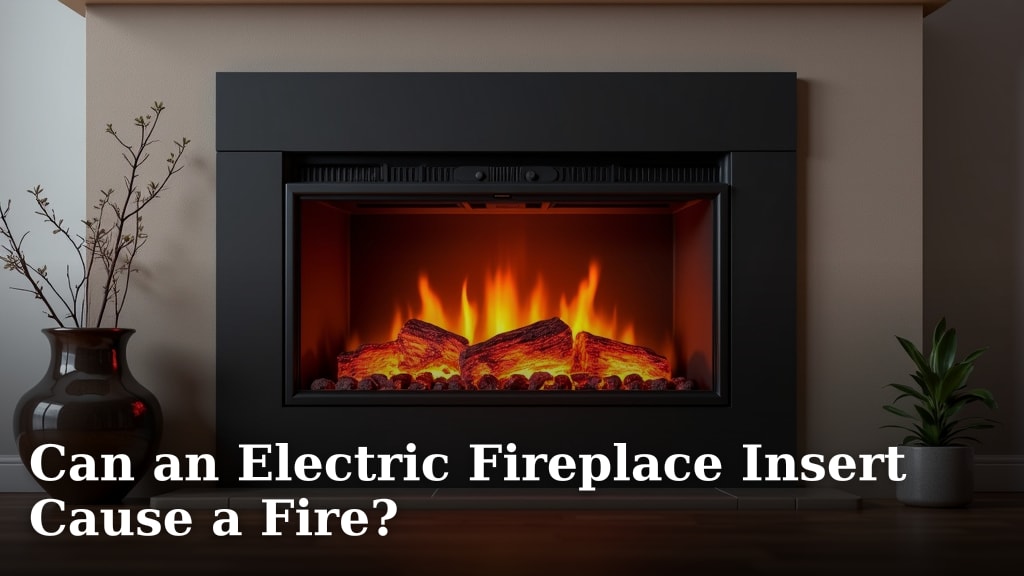
Can an Electric Fireplace Insert Cause a Fire?
Yes, an electric fireplace insert can cause a fire, but the risk is very low when the unit is properly maintained and used correctly. Most modern inserts have built-in safety features to prevent overheating.
Unlike wood-burning fireplaces, they don’t produce real flames or sparks. We found that fires typically start from overheating due to blocked vents or from using the heater near flammable materials like curtains or furniture.
- Electric fireplace inserts have a very low fire risk compared to traditional fireplaces.
- Most incidents are caused by improper use or lack of cleaning.
- Always follow the manufacturer’s instructions for installation and clearance.
- Regularly check for dust buildup and ensure nothing blocks the air vents.
- Never leave the heater running unattended for long periods or while sleeping.
Below, we walk through the main causes of fire risks and the simple safety checks you can perform to keep your home safe and warm.
Understanding the Fire Risk of Electric Fireplace Inserts
Yes, it can happen, but it’s rare. We found that modern electric inserts are built with multiple safety layers to prevent fires. Think of them like a toaster with extra safeguards – they get hot, but they won’t start a bonfire if used right.
The key is knowing how to use and care for your unit. Most issues happen from simple oversights, not defects.
Why Electric Inserts Beat Wood-Burning Ones for Safety
Electric inserts don’t burn real wood, so there are no sparks, embers, or hot ash to worry about. You’re basically running a heater that looks like a fireplace. The U.S. Fire Administration notes that electric heaters are a common cause of home fires, but proper use drastically lowers the risk.
Unlike wood models, electric inserts don’t require chimney maintenance. No creosote buildup means one less fire hazard in your home.
The Main Causes of Fire Risks with Electric Inserts
Fires usually start from preventable problems. We found three common culprits in incident reports from safety organizations like the National Fire Protection Association (NFPA).
Overheating Due to Blocked Air Vents
Your insert needs to breathe. Covering the vents with drapes or furniture traps heat inside. It’s like blocking a car’s radiator – things get too hot, too fast.
Dust and pet hair can also clog vents over time. Regular cleaning prevents this simple but serious issue.
Placing Flammable Items Too Close
Keep a safe zone around your insert. Curtains, paper decorations, and even candles placed too near can ignite. Many experts say maintain at least three feet of clearance.
Think of it like a campfire ring – you wouldn’t sit your chair right next to the flames.
Faulty Wiring or Damaged Cords
Frayed cords or loose plugs are red flags. Always check the power cord for damage before plugging in. We found that electrical faults cause a significant portion of heater-related fires (U.S. Consumer Product Safety Commission).
If your insert trips a circuit breaker, don’t ignore it. Unplug and have it checked.
Safety Features Built into Modern Electric Inserts
Manufacturers add smart protections. Most inserts include automatic shut-off if they overheat. Some have cool-touch glass, so curious kids won’t burn their fingers.
Look for units with UL or ETL listings. These certifications mean the product meets strict safety standards.
How to Install and Position Your Insert Safely
Location matters more than you think. Follow the manufacturer’s clearance guidelines exactly. Not all inserts are made the same, so generic advice won’t cut it.
Clearance Requirements for Walls and Furniture
Measure the space. Most inserts need several inches of free space on the sides and top. Don’t shove it into a tight cabinet without proper ventilation.
Aim for an open area where heat can disperse naturally.
Electrical Outlet Considerations
Use a dedicated outlet. Plugging your insert into a power strip or sharing with other appliances can overload the circuit. This can lead to overheating in the wiring.
For permanent installations, consider having an electrician install a proper wall outlet.
Daily Operation Tips to Avoid Hazards
Use it like you would a space heater. Don’t leave it running all night or when you leave the house. Many guidelines suggest turning it off during sleep (Mayo Clinic).
When to Turn Off the Insert
Leaving home? Turn it off. Going to bed? Turn it off. It’s a simple habit that eliminates a major risk.
Use the timer feature if your insert has one for added convenience and safety.
What to Avoid While Running
Never dry clothes on your insert. We found this sounds funny, but some people do it. The fabric is a fire waiting to happen.
Also, avoid spraying cleaning products near a hot insert. Fumes can be toxic, and liquids can cause electrical issues.
Maintenance Routine to Prevent Problems
A little care goes a long way. Dust your insert monthly with a soft cloth. Check the cord for wear at the beginning of each season.
For glass-front models, clean the interior to prevent dust from burning and causing smoke. A dry microfiber cloth works best.
What to Do If You Smell Something Burning
Trust your nose. A faint plastic smell might mean dust on a heating element. A strong burning odor is serious. Unplug the unit immediately.
Conclusion
So, can an electric fireplace insert cause a fire? Yes, but it’s rare when you use and maintain it properly. The biggest risks come from blocked vents, damaged cords, and flammable items placed too close. These are all preventable with simple habits.
You already know the key safety steps: keep vents clear, maintain a safe distance, and never leave it running unattended. We found that most incidents trace back to user error, not product defects.
Your next step is simple. Check your insert today. Inspect the cord, clear the vents, and make sure nothing flammable sits nearby. A two-minute check could prevent a fire.
Frequently Asked Questions
Can an electric fireplace insert start a fire while I’m sleeping?
It’s best to turn off your insert before going to sleep. While modern units have safety shut-offs, no system is perfect. We found that unattended operation is one of the top causes of heater-related fires.
How far should furniture be from an electric fireplace insert?
Keep at least three feet of clearance around your insert. This includes curtains, couches, and paper decorations. Follow the specific distance listed in your manufacturer’s manual, as it can vary by model.
Do I need a special outlet for my electric fireplace insert?
Most inserts work with a standard outlet, but we recommend using a dedicated circuit. Don’t plug it into a power strip or share the outlet with other appliances. This prevents electrical overload that could cause overheating.
What should I do if my electric fireplace insert smells like it’s burning?
Unplug the unit immediately. A faint smell may be dust burning off the heating element, which is common after long storage. A strong burning odor could signal a real problem. Have a qualified technician inspect it before using it again.
Are electric fireplace inserts safer than wood-burning ones?
Yes, generally they are much safer. Electric inserts don’t produce real flames, sparks, or embers. They also don’t require a chimney, which eliminates creosote buildup risks. However, any heater requires safe use and regular maintenance to stay that way.