
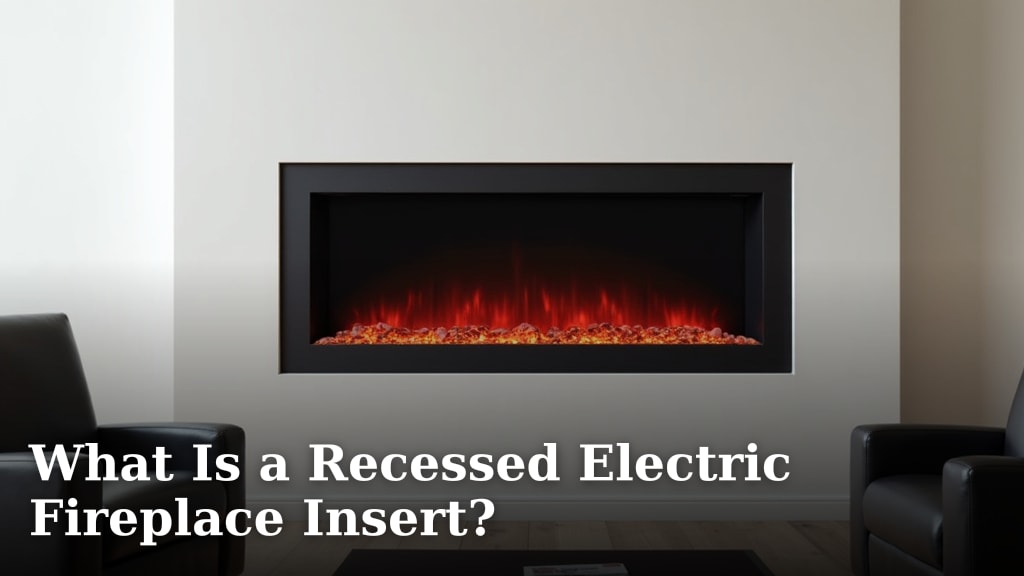
What Is a Recessed Electric Fireplace Insert?
A recessed electric fireplace insert is a heating appliance designed to be built into a wall, giving you the look of a built-in fireplace without major construction. It is an all-in-one unit that fits into a prepared opening, offering both warmth and a realistic flame effect.
Unlike traditional fireplaces, these inserts are simpler to install and more versatile. Many models can be placed in a 2×4 stud wall, making them a popular choice for renovations or additions. You get the cozy ambiance without the hassle of a chimney or gas lines.
- A recessed electric fireplace insert is a self-contained unit installed directly into a wall opening.
- It provides supplemental heat and a realistic flame display with no venting required.
- Installation is often easier than a gas or wood-burning fireplace.
- They save floor space and can be a focal point in any room.
- Most units are controlled by a remote for easy use.
Below, we’ll walk through the key features, benefits, and important considerations to help you decide if this is the right heating option for your space.
Understanding the Recessed Electric Fireplace Insert
A recessed electric fireplace insert is a self-contained heating appliance built into a wall cavity. Think of it like a sleek, high-tech picture frame that holds a virtual fire. It sits flush with your wall, creating a clean, built-in look without the structural demands of a traditional fireplace.
You don’t need a chimney, a gas line, or a professional mason. Most units are designed for a standard 2×4 stud wall, which is common in many homes. This makes them a popular and practical choice for adding ambiance to a living room, bedroom, or even a finished basement.
Key Components Inside the Box
When you unbox a recessed insert, you’ll find a few key parts working together. The main housing is the metal chassis that fits into your wall opening. Inside, a heating element warms the air, and a fan pushes it out into your room.
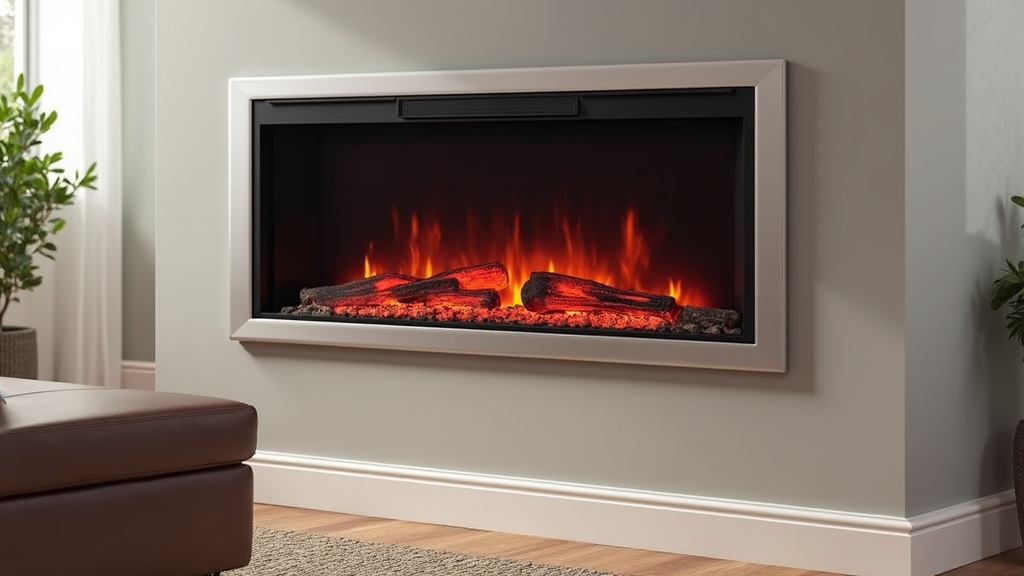
The star of the show is the flame effect. This uses LED lights and rotating mirrors to create a surprisingly realistic fire. Some models even include faux logs, crystals, or driftwood. You can usually control the flame color, speed, and brightness with a remote.
- Heating Element: Typically produces 5,000 BTUs, enough to warm a 400-square-foot room.
- Flame Display: LED-based, energy-efficient, and customizable.
- Control Panel: Often located on the unit, but most people use the included remote.
- Mounting Hardware: Everything you need to secure the unit to your wall studs.
How It Stands Apart From Other Electric Fireplaces
You might see electric fireplaces sold as freestanding consoles or wall-mounted units. The recessed insert is specifically designed for a semi-permanent installation inside a wall. This gives it the most seamless, “real fireplace” appearance of all the electric options.
Wall-mounted units hang on the surface, which is easier but less integrated. Freestanding consoles take up floor space. The recessed insert disappears into the wall, letting the flame be the sole focus.
| Feature | Recessed Insert | Wall-Mount | Freestanding |
|---|---|---|---|
| Installation | Built into wall cavity | Hangs on surface | Sits on floor |
| Profile | Flush with wall | Protrudes 4-6 inches | Large, boxy footprint |
| Best For | New construction, major remodels | Rentals, quick updates | Temporary setups, flexible placement |
| Realism | High (built-in look) | Moderate | Moderate to Low |
Why Choose a Recessed Insert for Your Home?
Many homeowners and designers favor these inserts for a few compelling reasons. They solve multiple problems at once—adding heat, creating a focal point, and saving space. Let’s look at the main benefits.
Space-Saving and Clean Aesthetics
If you have a smaller room, every square foot counts. A recessed insert reclaims floor space that a mantel or freestanding unit would occupy. It turns a blank wall into a stunning centerpiece without making the room feel cluttered.
The result is a modern, minimalist look that fits well in contemporary homes. You can even frame it with a traditional mantel or surround if you prefer a classic style.
Safety and Convenience You Can Trust
Safety is a top concern for any heating appliance. Electric inserts are among the safest options because they have no real combustion. The glass front stays cool to the touch on many models. This is a huge plus if you have curious kids or pets.
You also get the convenience of instant on/off control. No waiting for a fire to start or die down. The U.S. Consumer Product Safety Commission notes that electric fireplaces pose a lower risk of carbon monoxide exposure compared to fuel-burning appliances, provided they are used as directed.
Supplemental Zone Heating
Here’s a smart way to save money on your heating bill. Use your central heat to keep the main living areas at a baseline temperature. Then, turn on your fireplace insert to warm the specific room you’re in.
This strategy, called zone heating, can be very effective. Many experts note that you can lower your thermostat by several degrees and still feel perfectly cozy next to the fireplace. According to the U.S. Department of Energy, this targeted approach reduces energy waste.
What to Consider Before You Buy
A recessed insert is a great choice, but you need to plan carefully. Measure your space and understand the requirements before making a purchase.
Getting the Fit Just Right
The most critical step is measuring your wall opening accurately. The insert’s product specifications will list the exact dimensions needed for the “rough opening.” This is the hole you cut or build into the wall. Always follow the manufacturer’s guide for clearance to combustibles on the sides and back.
You must also consider the depth of your wall. A standard 2×4 wall is about 4.5 inches deep. Most recessed inserts are designed to fit this perfectly. If you have a deeper wall, you may need a different model or a specialized frame.
Power and Electrical Needs
Every electric fireplace insert plugs into a standard household outlet. You do not need special wiring like you would for a gas insert. However, you should use a dedicated circuit, especially if the unit has a powerful heater.
Running a 1,500-watt heater on an outlet that already powers a TV, lamp, and game console could trip a breaker. It’s a good idea to consult an electrician if you’re unsure about your home’s electrical capacity.
Flame Effect and Heating Performance
Not all flame effects are created equal. Watch video demos online to see the realism in motion. Do you prefer bright flames or a soft glow? Can you change the color to match your decor? These features enhance your enjoyment.
For heating, look at the BTU rating. A 5,000 BTU unit is standard for supplemental heat. This is typically enough for a room up to 400 square feet. If you plan to use it as a primary heat source in a large space, you may need a higher-output model.
Your Recessed Insert Shopping Checklist
Keep this list handy when you’re browsing models. It will help you ask the right questions and avoid surprises.
- ☐ I have measured my wall’s rough opening and depth precisely.
- ☐ I have confirmed there is a dedicated, accessible electrical outlet nearby.
- ☐ I understand the BTU output and the room size it can comfortably heat.
- ☐ I have reviewed the flame effect in video reviews to ensure I like the style.
- ☐ I have checked the manufacturer’s clearance requirements for safety.
- ☐ I have considered whether I want a simple unit or one with additional features like a thermostat or color-changing flames.
Adding a recessed electric fireplace insert is more than just installing a heater. It’s about creating a gathering place and a feeling of comfort in your home. By understanding how they work and what to look for, you can make a choice that brings both warmth and style for years to come.
Conclusion
A recessed electric fireplace insert is a smart, stylish way to add warmth and a focal point to your home. It offers a built-in look without the work of a traditional fireplace. You get supplemental heat, a realistic flame, and great safety features in one easy-to-install package. The key is careful planning—measure your wall opening and check your electrical capacity before you buy. You’ll enjoy the cozy ambiance and potential energy savings for years to come.
Ready to take the next step? Measure your wall space and review the electrical outlets in your desired room today. This simple action will help you choose the perfect insert with confidence.
Frequently Asked Questions
Can I use a recessed electric fireplace insert as my only heat source?
Most recessed inserts are designed for supplemental zone heating, not as a primary heat source. A standard 5,000 BTU unit is typically enough for a room up to 400 square feet. For larger spaces or whole-home heating, you should keep your central furnace or heat pump as the main system.
Do I need to hire an electrician for installation?
Not always, but it is highly recommended if you are unsure about your home’s wiring. The insert itself plugs into a standard outlet, but you should use a dedicated circuit to avoid tripping breakers. An electrician can ensure your circuit is properly rated for the heater’s wattage.
Will the glass front get hot enough to burn someone?
On most modern models, the front glass is designed to stay cool or warm to the touch, making it safer for homes with children or pets. However, you should still follow the manufacturer’s safety guidelines and avoid placing items directly against the unit.
How realistic is the flame effect compared to a real fire?
Technology has come a long way, and many inserts now use LED lights and rotating mirrors to create a very convincing flame. While it’s not exactly like a real wood fire, the effect is convincing from a distance, and you can often customize the color, speed, and brightness to your liking.
Can I install a recessed insert in a bathroom or bedroom?
You can, but you must follow the manufacturer’s clearances and check local building codes. Bathrooms require units rated for damp locations due to moisture. For bedrooms, ensure the unit’s outlet is not shared with other high-draw appliances to maintain safety.