What Is a Vertical Electric Fireplace? Quick Fixes
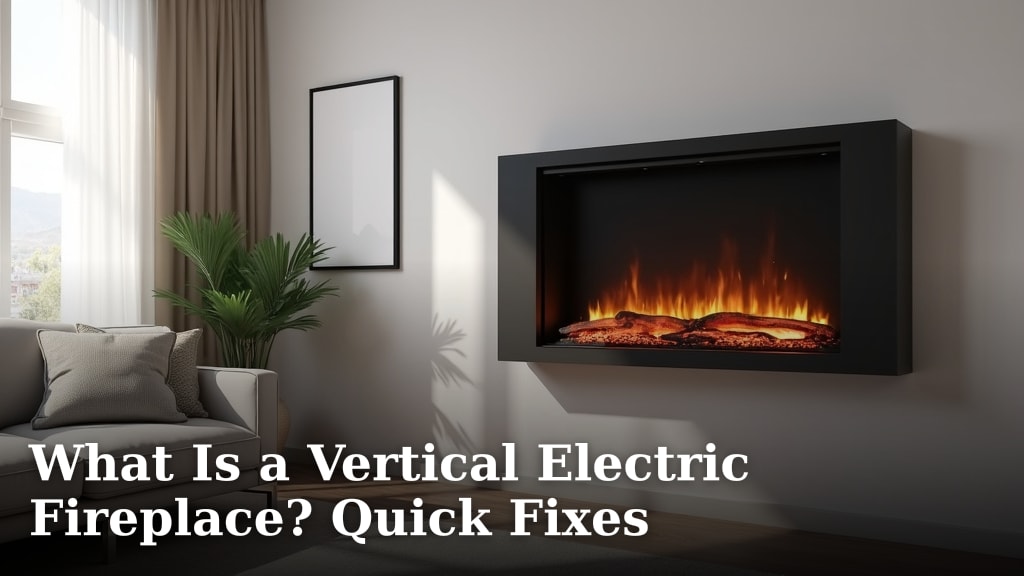
A vertical electric fireplace is a wall-mounted unit that provides heat and ambiance. It hangs vertically, taking up less horizontal space than traditional fireplaces. These units are designed for easy installation and use. They offer a stylish way to add warmth to any room without a chimney. If you’re looking for a similar, built-in look, a recessed electric fireplace insert is another option.
Think of it as a modern heating solution. Vertical electric fireplaces often feature a sleek design. They can mimic the look of real flames. Many models also include remote controls for convenience. You can enjoy the cozy glow and heat with simple setup.
- What it is: A wall-mounted electric heater.
- Key feature: Hangs vertically, saving floor space.
- Benefits: Provides heat and decorative ambiance.
- Installation: Generally straightforward and doesn’t need a chimney.
- Operation: Often controlled remotely for ease of use.
Let’s break down exactly what makes a vertical electric fireplace a great choice for your home and how you might approach getting one set up.
Understanding Vertical Electric Fireplaces: Your Space-Saving Heat Solution
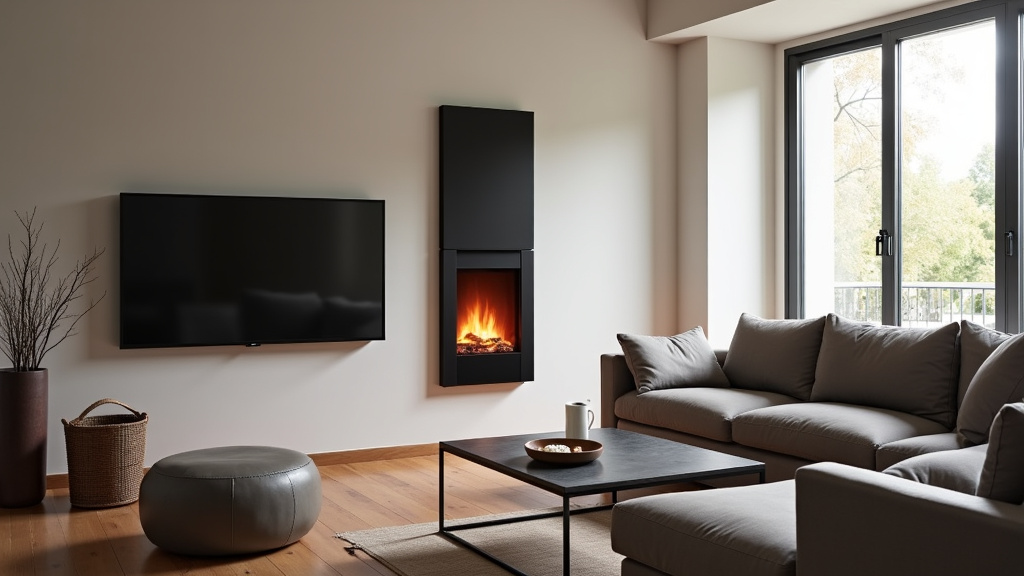
So, you’re looking into vertical electric fireplaces. That’s smart! These units are a fantastic way to get the cozy feel and warmth of a fireplace without sacrificing precious floor space. They hang on your wall, looking like modern art until you turn them on. We found that their slim profile makes them ideal for smaller homes or apartments. They offer heat and ambiance in a stylish package.
Think of them as a modern heating upgrade. Unlike bulky traditional fireplaces, these are designed to blend into your decor. They provide supplemental heat. Plus, they add a lovely visual element to any room. We researched and found that installation is often simpler than you might imagine.
What Exactly Is a Vertical Electric Fireplace?
A vertical electric fireplace is essentially a wall-mounted electric heater. Its design is elongated, meaning it’s taller than it is wide. This vertical orientation is key to its space-saving appeal. You mount it directly onto your wall, leaving your floor clear.
These units mimic the look of a traditional fire. They use LED lights and sometimes even a small fan to create the illusion of flames and crackling. Many models include a heating element. This element can warm up a room quickly. We found that the heat output is usually adjustable.
Key Components of a Vertical Electric Fireplace
You’ll find a few main parts in most vertical electric fireplaces:
- Heating Element: This is usually a fan-forced heater. It blows warm air into the room.
- Flame Effect: This is created by LED lights. They are designed to look like flickering flames.
- Decorative Log Set/Media: Many models have faux logs or crystals. These sit behind the “flames” for added realism.
- Control Panel: Most units have buttons on the fireplace itself. You can also often use a remote control.
- Mounting Bracket: This hardware is included to securely attach the unit to your wall.
How They Provide Heat and Ambiance
The heating works much like a portable electric heater. A coil heats up. A fan then pushes air across the coil and out into the room. This is effective for providing supplemental warmth. They aren’t typically designed to be the sole heat source for a whole house.
The ambiance comes from the visual display. The LED lights create a realistic flame effect. You can often adjust the flame color and brightness. Many models also let you turn the heat off. This means you can enjoy the visual effect year-round. We found that the flame effect is quite convincing on newer models.
Installation: What You Need to Know
One of the biggest draws of vertical electric fireplaces is their simpler installation. You don’t need a chimney or gas line. This makes them suitable for apartments or older homes. You will need access to a standard electrical outlet.
Mounting Your Fireplace: A Step-by-Step Overview
First, you’ll need to choose the right spot on your wall. Make sure it’s a sturdy wall. You’ll need to locate wall studs for secure mounting. Most units come with a template. This helps you mark where to drill holes for the bracket.
Attach the mounting bracket to the wall studs. Then, you simply hang the fireplace unit onto the bracket. It’s designed to be fairly straightforward. Many users report completing the mounting process in under an hour. We found that clear instructions are usually provided with the unit.
Electrical Requirements
Most vertical electric fireplaces plug into a standard 120-volt outlet. This is the same outlet you’d use for a TV or lamp. Some higher-wattage models might require a dedicated circuit. Always check the manufacturer’s specifications. This ensures you have the correct power setup.
It’s important to ensure the outlet is in good working order. You don’t want to overload an old circuit. If you’re unsure, consult an electrician. They can assess your home’s wiring. Safety is always the top priority.
Common Issues and Simple Fixes
While generally reliable, you might encounter minor issues. Thankfully, most are easy to resolve yourself. We looked into common problems users face.
My Fireplace Isn’t Heating
This is a common concern. First, check if the unit is plugged in. Ensure the power cord is securely seated. Next, look at the control panel or remote. Is the heat setting turned on? Is the thermostat set higher than the room temperature?
Many models have a safety feature. If the unit overheats, it will shut off. Let it cool down for about 15-20 minutes. Then try turning it back on. We found that sometimes the internal thermostat can be a bit sensitive.
The Flame Effect Isn’t Working
If you see heat but no flames, check the display settings. Most units have a separate control for the flame effect. Make sure it’s turned on. Also, check the brightness setting. It might be turned down too low to see.
Some models have different flame color options. You might have accidentally switched to a color that blends with the background. Try cycling through the options. We found that sometimes the LED module might need a reset. Unplugging the unit for a minute can help.
My Fireplace is Making Unusual Noises
A faint humming or whirring sound is normal. This usually comes from the fan. However, loud clicking or grinding noises are not typical. This could indicate an issue with the fan motor or internal components.
First, ensure nothing is obstructing the fan. Dust or debris can sometimes get pulled in. Gently clean the vents with a vacuum cleaner brush attachment. If the noise persists, it might be time to contact customer support. We found that a quick vacuuming often solves minor fan noise.
Remote Control Not Responding
Is the remote pointed directly at the fireplace? Is there anything blocking the sensor? Try replacing the battery in the remote. Low batteries are often the culprit. Make sure you are using the correct type of battery.
If a new battery doesn’t help, the remote or the fireplace’s receiver might be faulty. Some fireplaces have a manual override control panel. You can use this to operate the unit while you figure out the remote. We found that re-pairing the remote might be an option for some models.
What If It Seems Damaged During Shipping?
If your fireplace arrives with visible damage, do not install it. Take clear photos of the damage. Contact the retailer or manufacturer immediately. They will guide you through the return or replacement process. Most companies have a clear policy for this. We found that acting quickly is key to a smooth resolution.
Quick Checklist for Basic Troubleshooting
Here’s a quick rundown for when things aren’t quite right:
- Check Power: Is it plugged in securely? Is the outlet working?
- Review Settings: Is the heat or flame effect turned on? Is the thermostat correct?
- Inspect for Obstructions: Are vents blocked by dust or objects?
- Reset the Unit: Unplug it for a minute, then plug it back in.
- Test Batteries: If using a remote, try fresh batteries.
- Consult Manual: Always refer to your specific model’s user guide.
Conclusion
You’ve learned that a vertical electric fireplace is a smart, space-saving way to add warmth and style to your home. These wall-mounted units are easier to install than traditional fireplaces. They offer adjustable heat and a realistic flame effect. We’ve also covered common troubleshooting tips for heating, flame display, and remote issues.
If you’re considering a vertical electric fireplace, weigh its benefits against your room’s heating needs. Always check the manufacturer’s instructions for installation and operation. Ready to bring cozy ambiance to your space? Your next step is to choose a model that fits your decor and budget.
Frequently Asked Questions
Are vertical electric fireplaces safe for apartments?
Yes, they are generally very safe for apartments. They don’t require a chimney or gas line, so there are no combustion byproducts. You’ll just need access to a standard electrical outlet. Always ensure the unit is securely mounted.
Can a vertical electric fireplace heat an entire room?
Vertical electric fireplaces are best used for supplemental heat. They can effectively warm smaller rooms or take the chill off a larger space. For primary heating in a whole house, you would likely need additional heat sources.
How much electricity do these fireplaces use?
Electricity usage varies by model and heat setting. They typically use between 1,000 and 1,500 watts when the heater is on. The flame effect uses very little energy. You can often run just the flame effect without heat to save on electricity.
Do I need a professional to install a vertical electric fireplace?
For most models, professional installation isn’t required. If you can locate wall studs and follow instructions, you can likely mount it yourself. If you’re uncomfortable with drilling into walls or unsure about your electrical setup, consulting an electrician is a good idea.
What kind of maintenance do vertical electric fireplaces need?
Maintenance is minimal. You should keep the vents clean and free of dust using a vacuum cleaner’s brush attachment. Periodically, check that the unit is securely mounted. Always refer to your owner’s manual for specific care instructions.